
MetaGenieTM Stool Test for Early Diagnosis of Autism Spectrum Disorder

Overview
The MetaGenie test is intended for in-vitro diagnostic use as an aid in the diagnosis of Autism Spectrum Disorder (ASD) in children, ages 1-13 years, who are at risk for developmental delay and/or under developmental concerns raised by parents, caregivers, or healthcare providers.
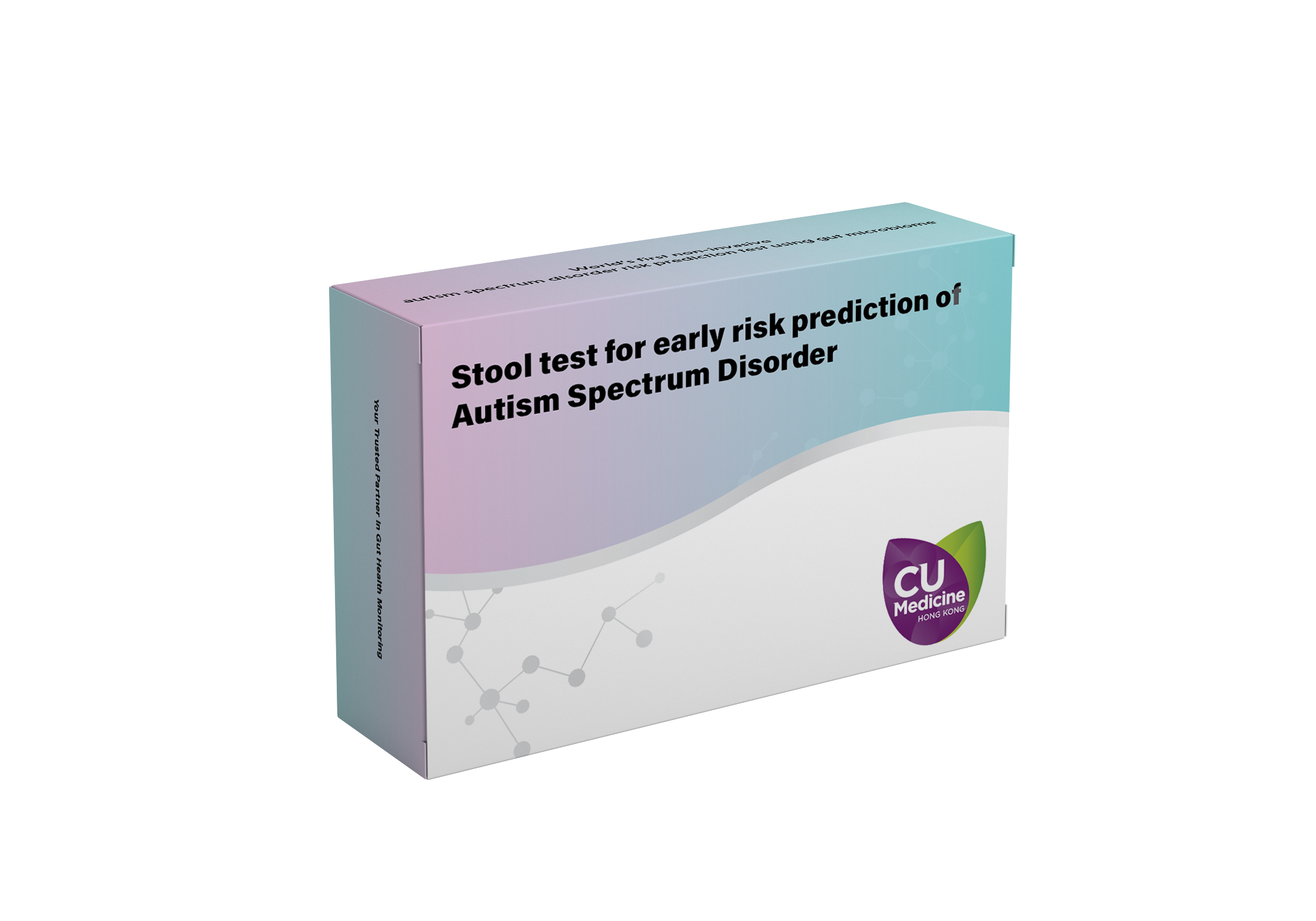
Technical name of innovation
Stool test for early risk prediction of autism spectrum disorder
Research completion
2024
Problem addressed
Objective diagnosis of ASD
Innovation
- Unlike prior research focusing mainly on bacteria, this test analyzes archaea, fungi, and viruses simultaneously. This comprehensive, multikingdom approach provides a more complete picture of the gut ecosystem's role in autism spectrum disorder.
- The test analyzes microbial genes and metabolic pathways, such as ubiquinol-7 and thiamine diphosphate biosynthesis. This focus on microbial function, rather than just taxonomy, captures functional changes in the gut strongly associated with ASD.
- A panel of just 31 markers from all kingdoms demonstrated superior diagnostic performance (AUC 0.91) compared to single-kingdom models. It maintained robust accuracy across different ages, sexes, and independent cohorts as a non-invasive tool.
Key impact
- This stool test offers a non-invasive tool to aid early ASD screening using a simple stool sample. High accuracy across young age groups could enable earlier intervention, which is critical for improving long-term developmental outcomes in children.
- The test pinpoints specific microbial functions linked to ASD, such as reduced ubiquinol-7 and thiamine pathways. This shifts the focus from symptom management to targeting these biological pathways, potentially guiding the development of new microbiome-based therapies.
- By distinguishing ASD from conditions with overlapping symptoms like ADHD, this test addresses a major clinical challenge. Its high specificity could reduce misdiagnosis, leading to more accurate referrals and personalized treatment plans for affected children.
Award
- Silver Medal 49th International Exhibition of Inventions Geneva (2024)
- FDA breakthrough device designation (2024)
Application
- During routine checkups, pediatricians use this stool test for children with early developmental concerns. The result aids timely specialist referral, enabling earlier intervention.
- Child psychiatrists use this test alongside standard assessment to differentiate ASD from conditions like ADHD. The objective biomarker supports diagnostic decisions, reducing misdiagnosis
- Clinicians track gut microbiome changes using this test to evaluate intervention effectiveness. This enables personalized adjustments to therapies, improving both gut and behavioral symptoms.
First Asia-based, leading International Microbiome Innovation Centre.
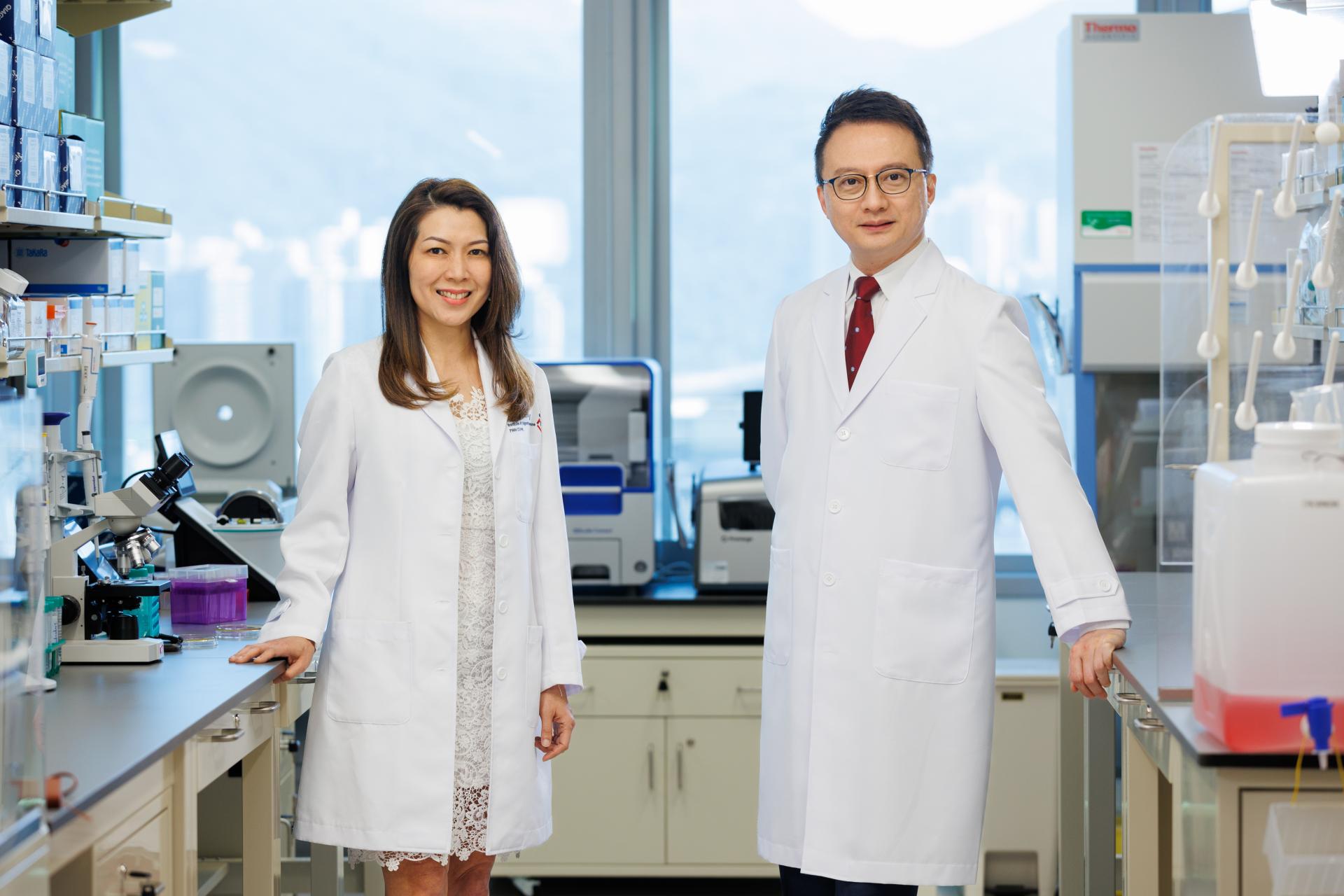
Pioneering microbiome research leading to scientific discoveries and clinical applications of gut microbiota has set foot in the newly founded Microbiota I-Center (MagIC) in Hong Kong. Together with top-notch researchers, the center will focus on utilizing the human gut microbiome for the development of novel microbial biomarkers and personalized microbiome therapeutics. This approach sets a new frontier for the pharmaceutical, healthcare, and food industries in Hong Kong.
Enquiry
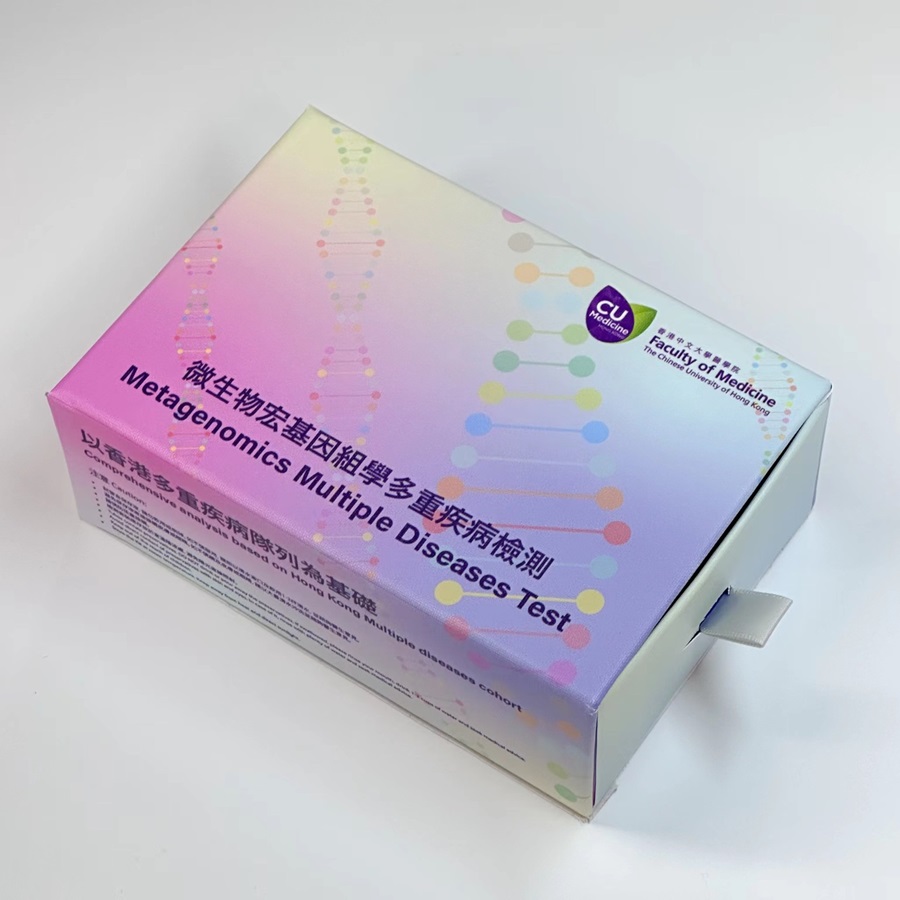
![Long COVID Test: [Non-Invasive Stool Test to detect distinct gut microbiome profile associated with “Long COVID”]](/uploads/image/202304/6802a81a4ec6afc2ac97f3912ec9a7f4.jpg)