Biodegradable Plastic Bag Produced from Food Waste
Overview
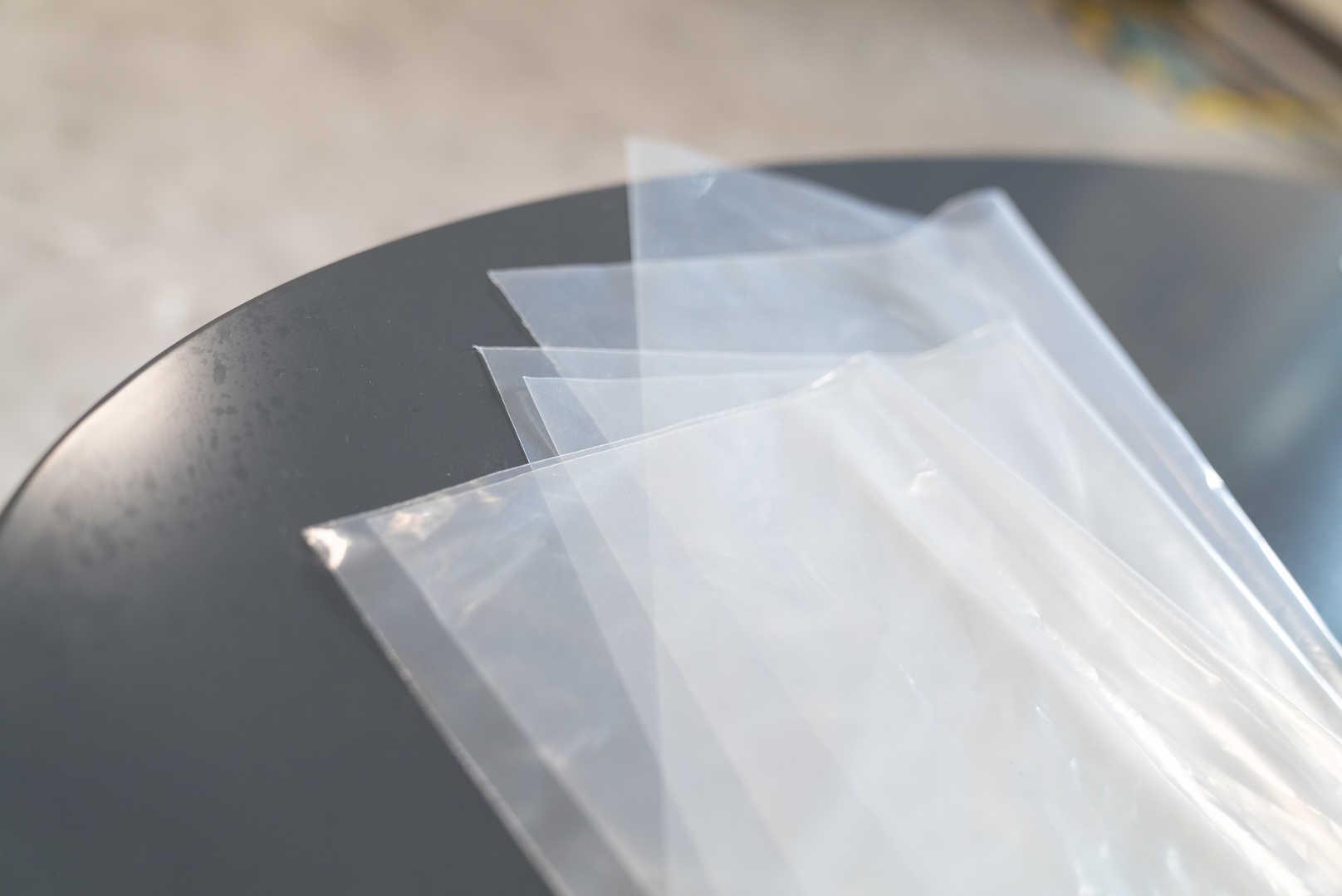
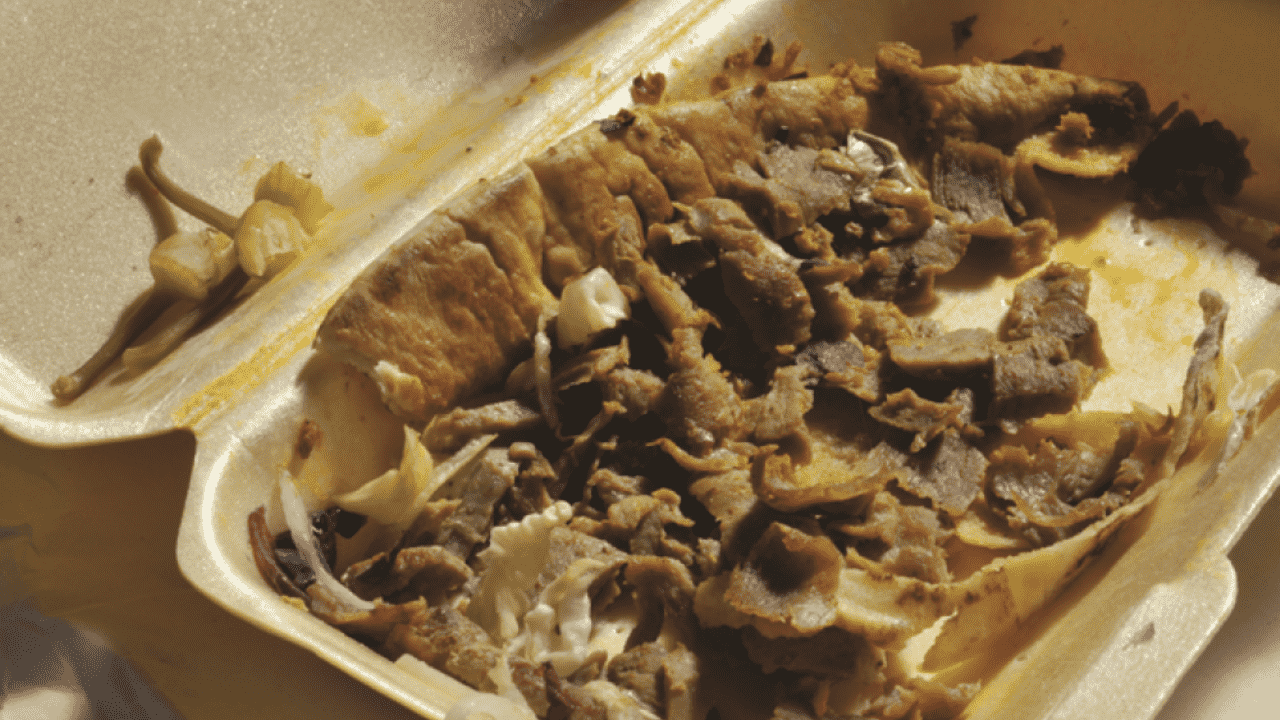
NAMI has used food waste to produce biodegradable plastic bags.

Commercialisation opportunities
Non-exclusive licensing
Problem addressed
Outperforming the biodegradable plastic bags available in the market that are fragile and made of high-cost raw materials from edible sources, NAMI’s biodegradable plastic bags are produced by glycerol from food waste with superior mechanical properties.
Innovation
- NAMI utilizes glycerol from food waste to produce biodegradable polymer through a series of microbial technology.
- The produced polymer is processed with NAMI’s unique formulation of functional additives to fabricate biodegradable plastic bags with superior mechanical properties.
Key impact
- Recycle food waste and save edible sources
- Reduce raw material cost by 50%
- Superior mechanical properties
Award
- Gold Medal at the “2018 Geneva International Exhibition of Inventions”
Application
- Fabrication of plastic bags for different purposes
Hong Kong Applied Science and Technology Research Institute (ASTRI)
Hong Kong Applied Science and Technology Research Institute (ASTRI) is founded in 2000 by the Government of the Hong Kong Special Administrative Region. As Hong Kong’s largest government-funded research and development centre, ASTRI is a key force and super connector driving innovation and technology advancement in Hong Kong, the Greater Bay Area, and the global innovation ecosystem. This role is strengthened through its merger with Nano and Advanced Materials Institute (NAMI).
Committed to bringing high impact research from lab to market, ASTRI advances interdisciplinary, market driven R&D that delivers practical innovations for industry and meaningful benefits for society.
Enquiry