Nano and Micro Cellulose Technology
Overview
NAMI has developed nano and micro cellulose from seaweed.
Commercialisation opportunities
Non-exclusive licensing
Problem addressed
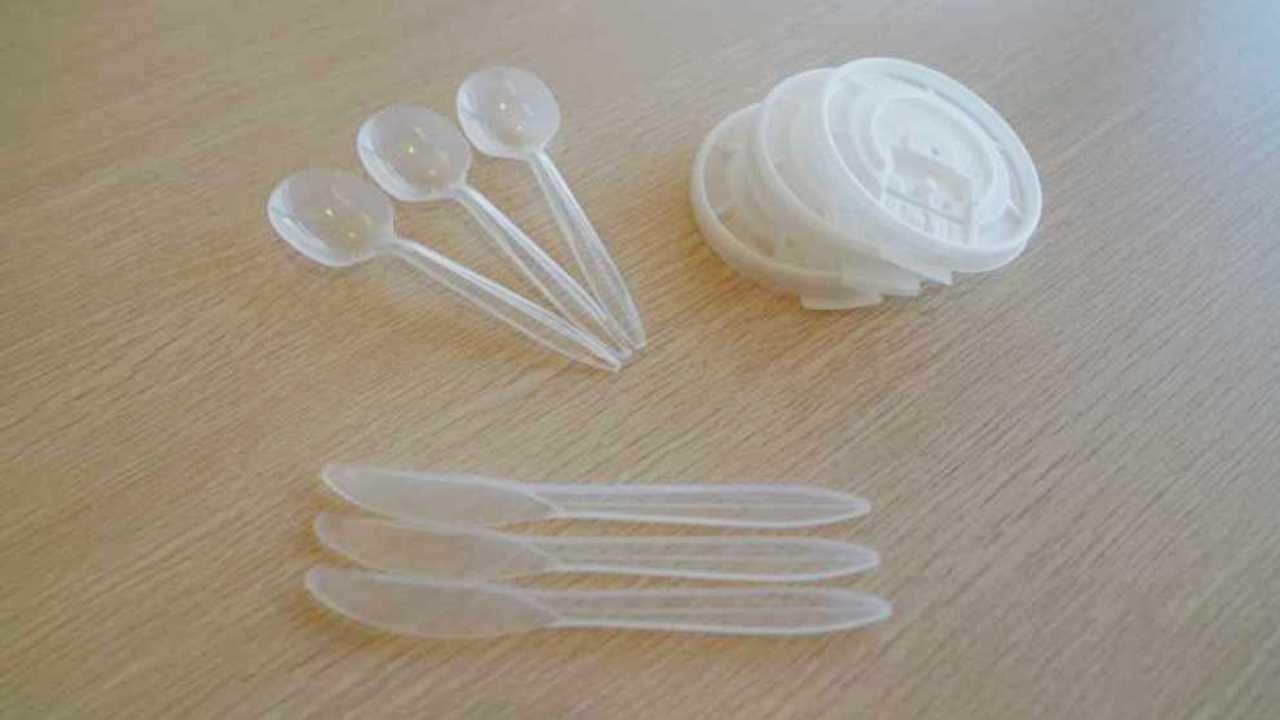
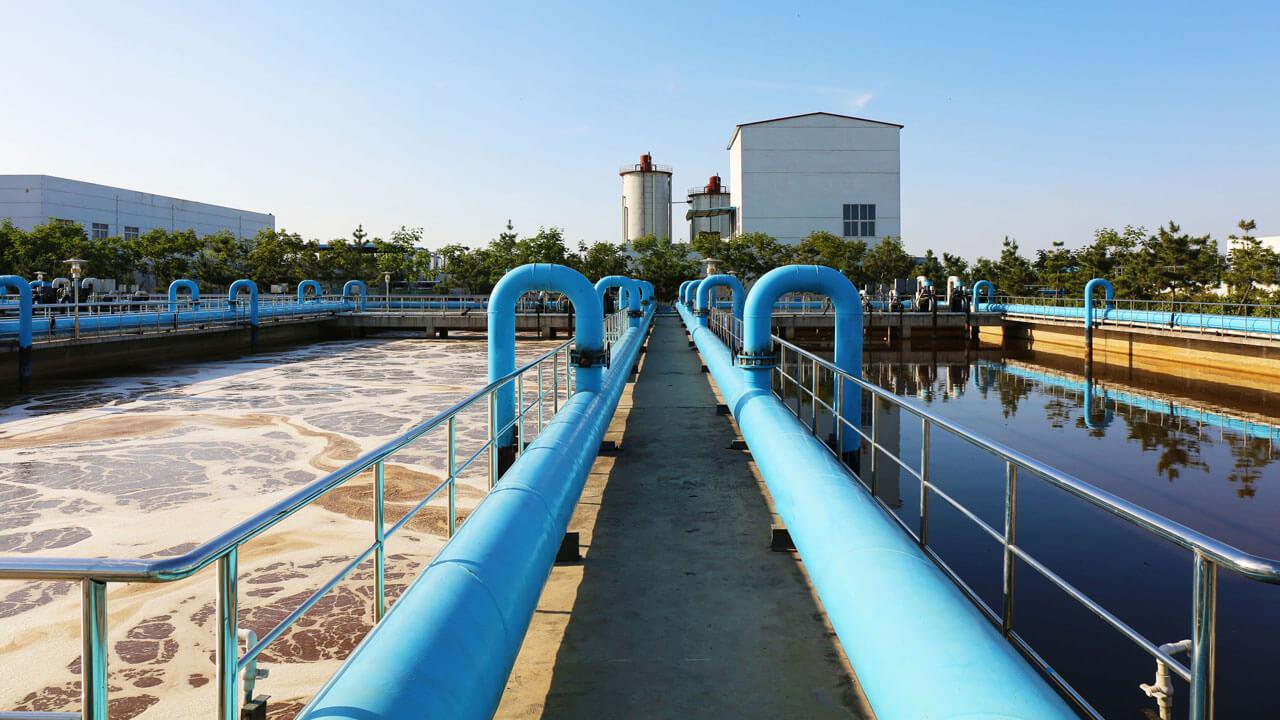
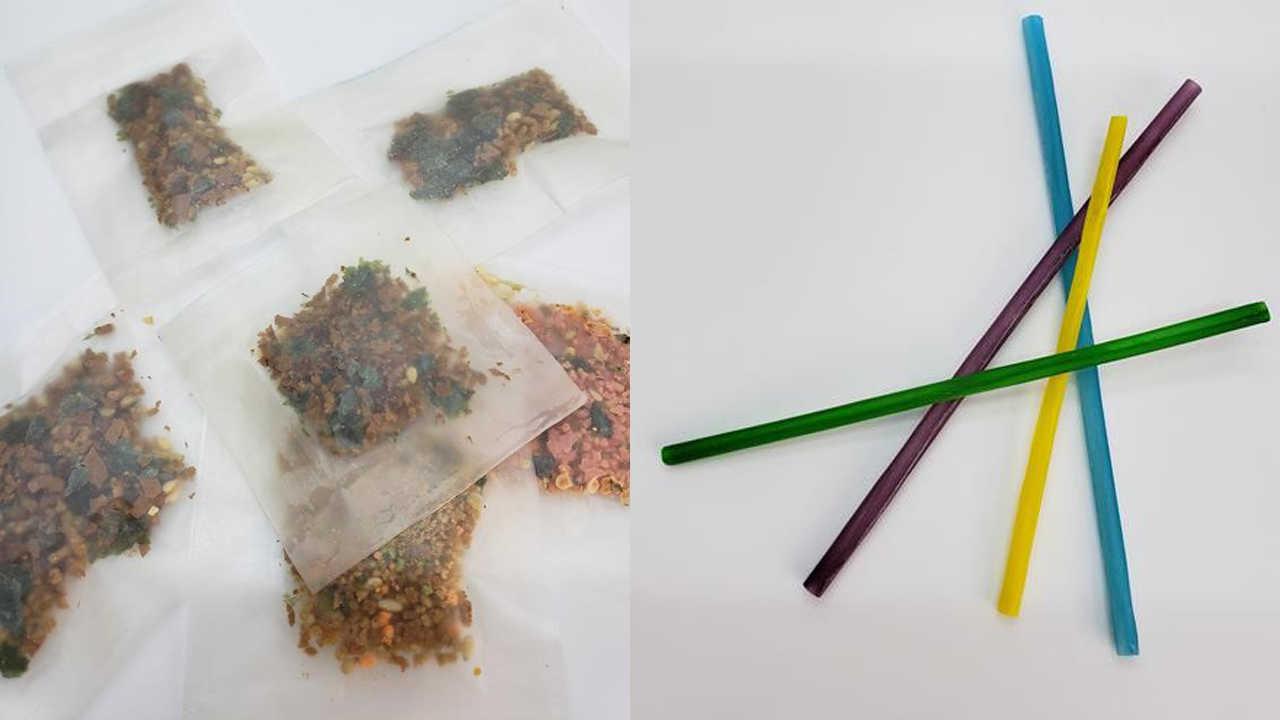
NAMI’s nano and micro cellulose can be used in biodegradable dining wares, food packaging materials, cosmetic formulation ingredients, as well as adsorbents in water and wastewater treatment, in order to reduce pollution.
Innovation
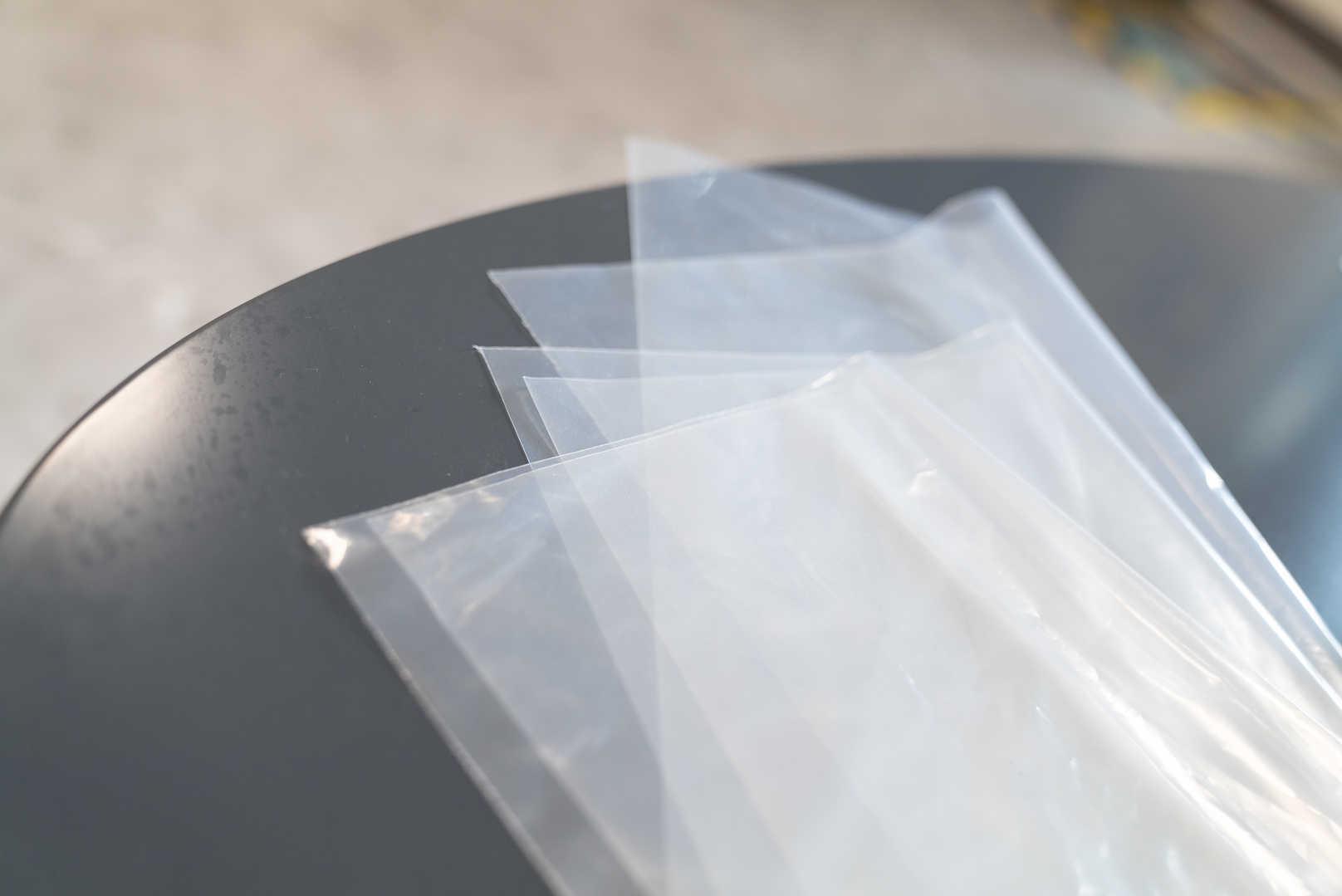
- The oxygen and water barrier properties, water-solubility, tensile strength and thermal resistance of NAMI’s cellulose-based materials are tunable for the production of packaging materials to fulfill different needs in the industry.
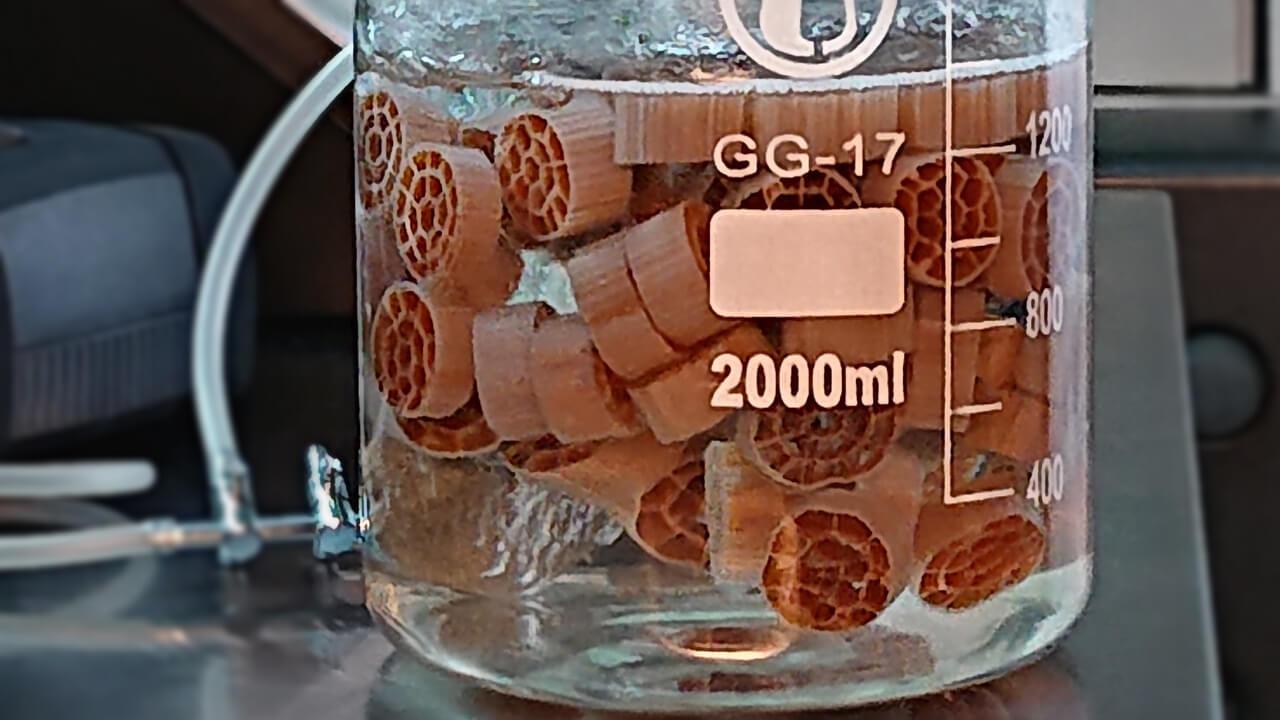
- Microbeads made by NAMI's cellulose materials can be used to replace plastic beads in cosmetics, and to be used in water and wastewater treatment by modifying their surface chemical property.
Key impact
- Use natural and abundant source of materials
- Replace non-biodegradable plastic materials
- Comparatively low cost
Application
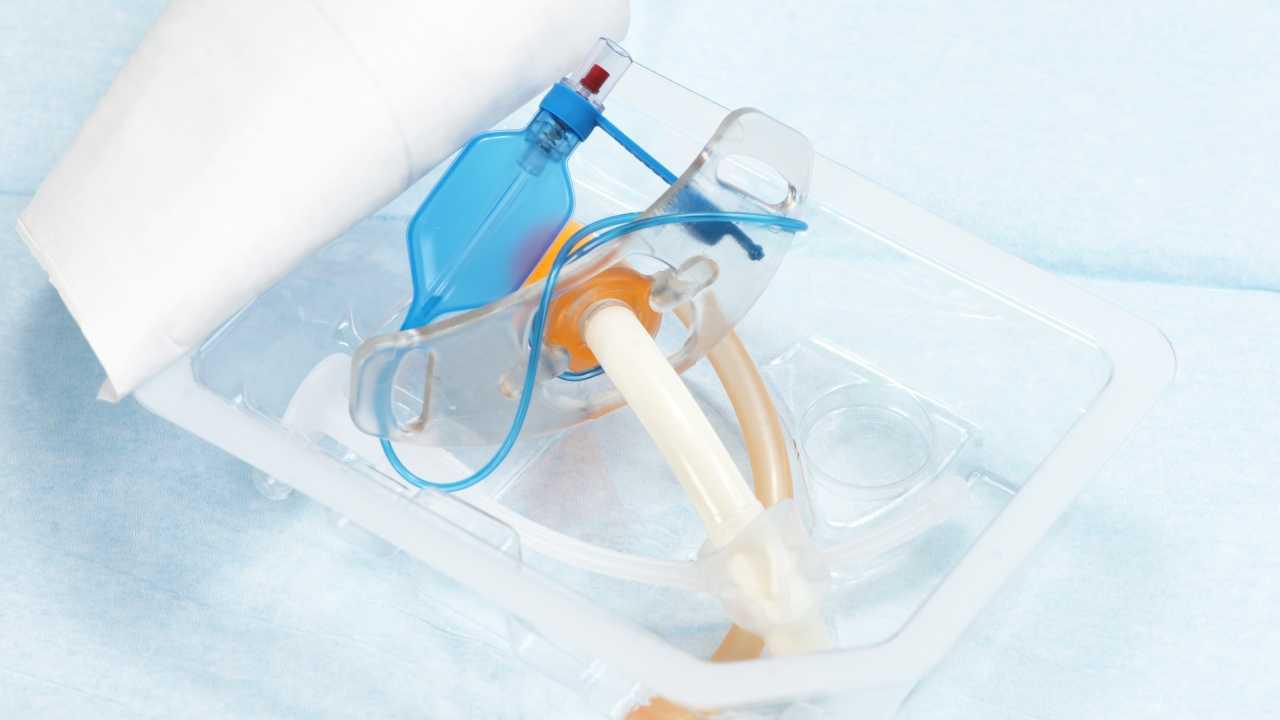
- Biodegradable dining wares
- Single-use straw
- Cosmetic and personal care products
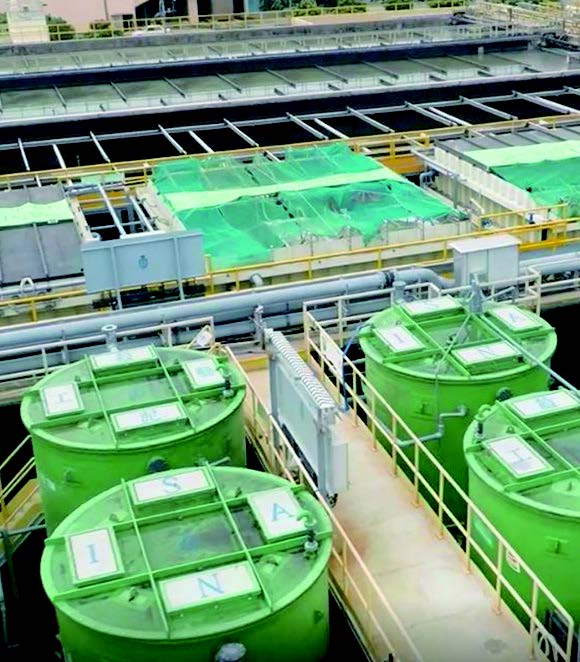
- Water and wastewater treatment
Hong Kong Applied Science and Technology Research Institute (ASTRI)
Hong Kong Applied Science and Technology Research Institute (ASTRI) is founded in 2000 by the Government of the Hong Kong Special Administrative Region. As Hong Kong’s largest government-funded research and development centre, ASTRI is a key force and super connector driving innovation and technology advancement in Hong Kong, the Greater Bay Area, and the global innovation ecosystem. This role is strengthened through its merger with Nano and Advanced Materials Institute (NAMI).
Committed to bringing high impact research from lab to market, ASTRI advances interdisciplinary, market driven R&D that delivers practical innovations for industry and meaningful benefits for society.
Enquiry