Hybrid Refrigerated Electric Truck Test3
Overview
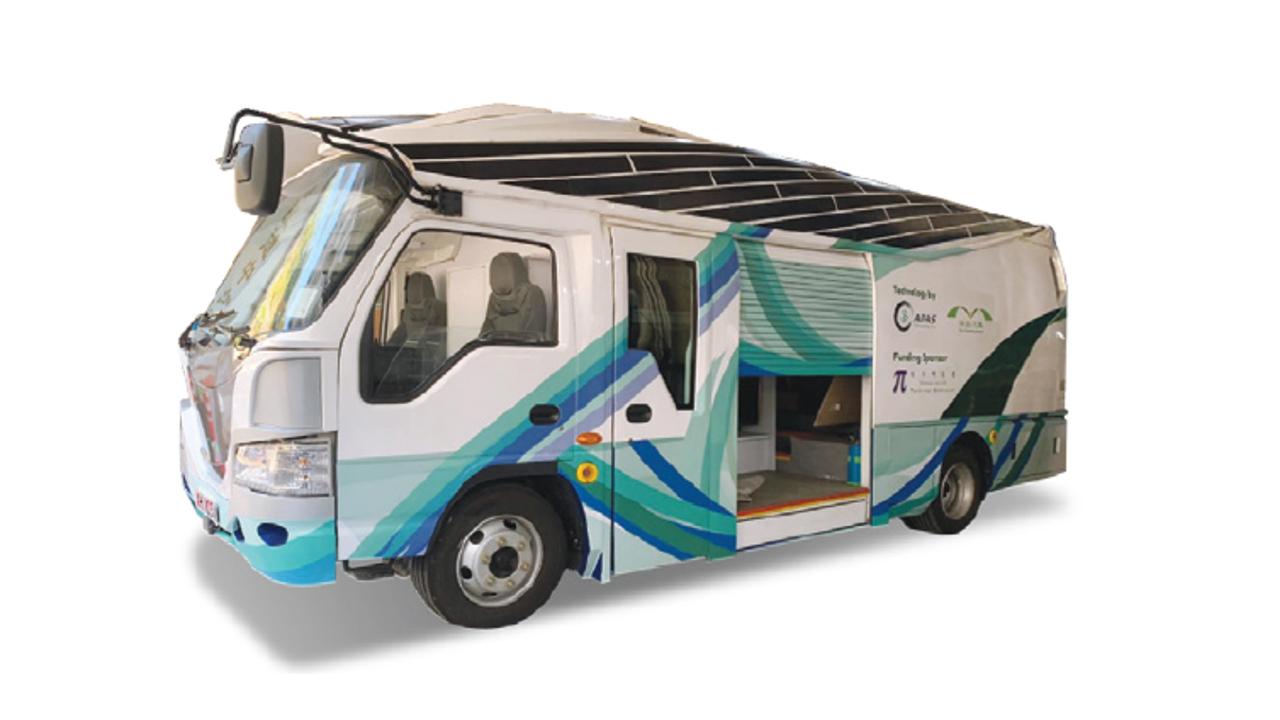
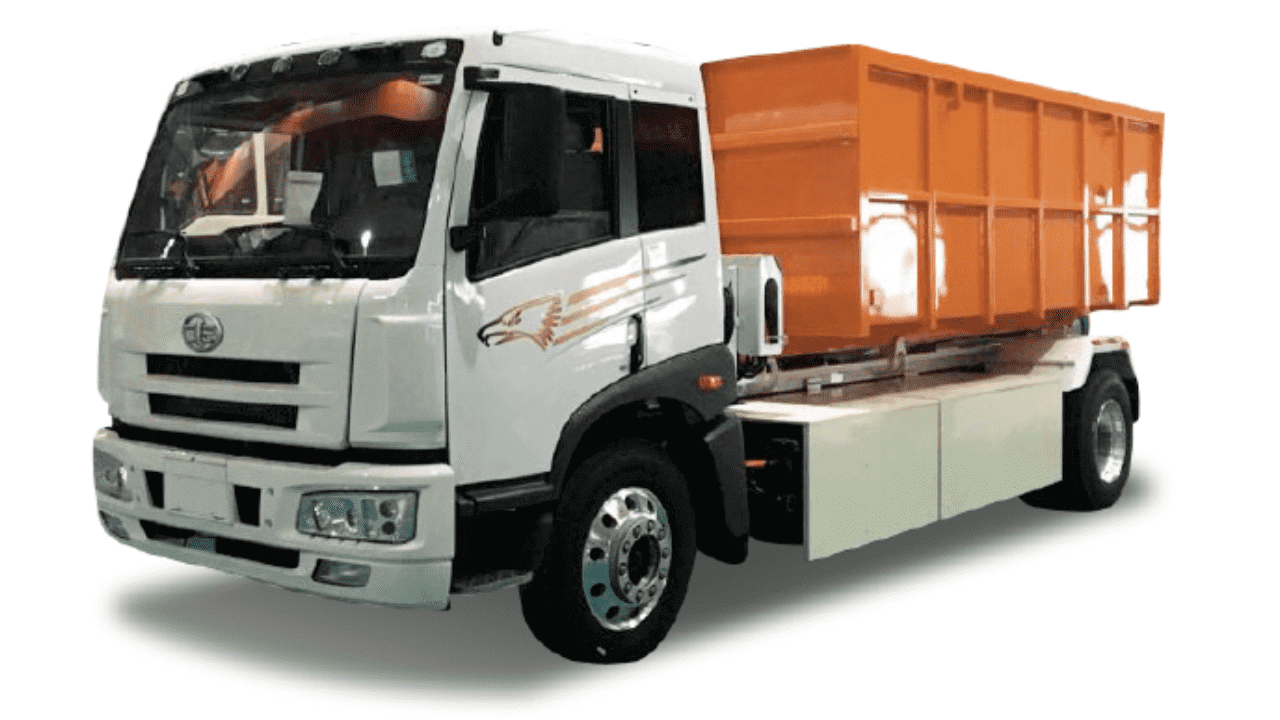
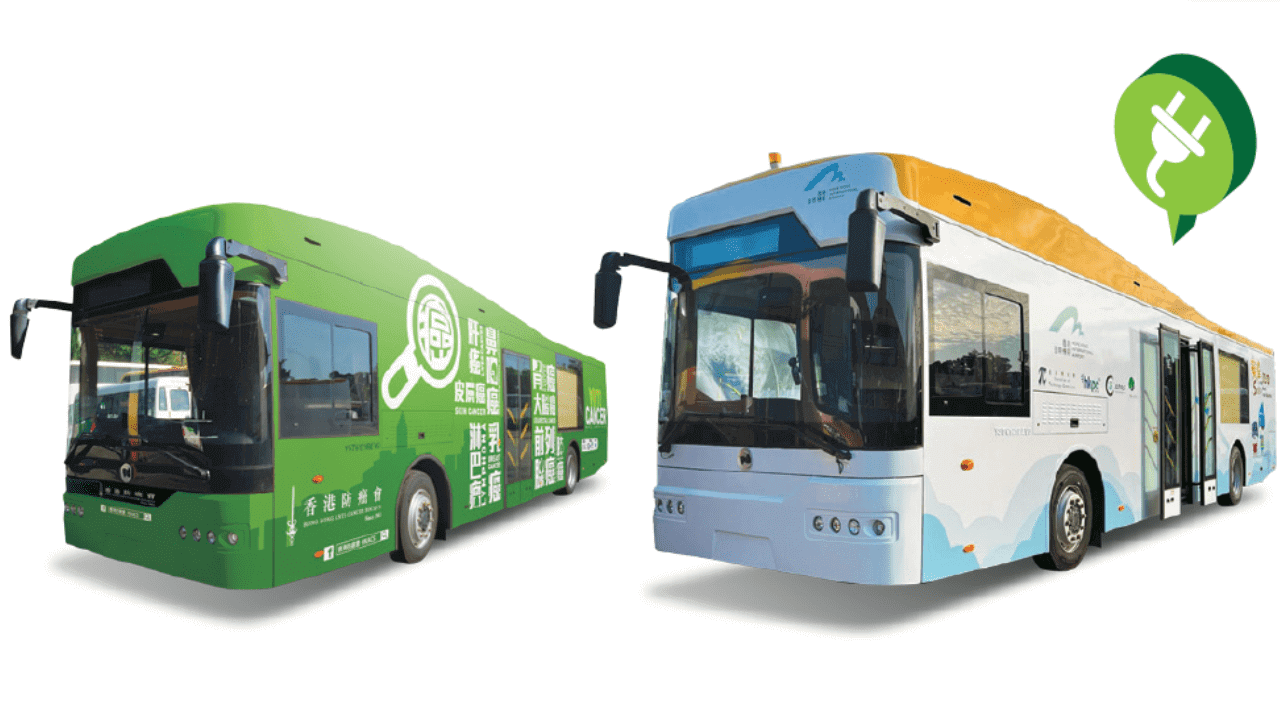
This project simultaneously leverages the benefits of both Aluminum-air (Al-air) and Lithium iron phosphate (LFP) batteries for powering electric vehicles and employs combined batteries as the hybrid power source for refrigerated electric truck.
Technical name of innovation
Hybrid Refrigerated Electric Truck with Al-Air and LFP batteries
Commercialisation opportunities
Licensing agreement
Problem addressed
Despite the adoption of Lithium-based batteries can eliminate tailpipe emission, the associated energy density (e.g. around 200Wh/kg for Lithium NMC batteries) is significantly lower than common fossil fuels. Besides, recharge time is another technical barrier that hinders the promotion of electric vehicles (EVs). Although fast-charging facilities can greatly reduce the recharge time, the associated service-life of an EV battery pack will be dramatically reduced simultaneously. The aforesaid issues hugely restrict the proliferation of EVs, while these problems would become more severe in the commercial vehicles world. For instance, the operational requirements of refrigerated trucks are extremely harsh, in which power consumption for supporting both refrigeration and vehicle propulsion is exceptionally high and thus recharge time is very important. In such case, the existing Lithium-ion technology could hardly fulfil all these technical prerequisites and green logistics could hardly be realised.
Innovation
- Nowadays, the majority of eco-friendly vehicles are powered by Lithium-ion batteries. The refrigerated electric truck developed in this project will be powered by a ground-breaking hybrid electric power source, which is principally a combination of Al-air and LFP batteries.
- The hybrid electric power source will also drive an on-board refrigeration system.
Key impact
- The driving range of correlated EVs will be boosted significantly. The energy density of Al-air batteries is approximately 7 times higher than existing Lithium-ion ones.
- The chemical reaction of the Al-air battery results in the production of aluminum hydroxide. This by-product can be sold separately or converted back to aluminum. If sustainable energy sources, such as solar or wind power, are used for the associated conversion, a closed-loop green recycling system for aluminium metal could eventually be built to promote environmental protection.
Application
- EV industry
- Refrigerated electric truck
- Green energy saving
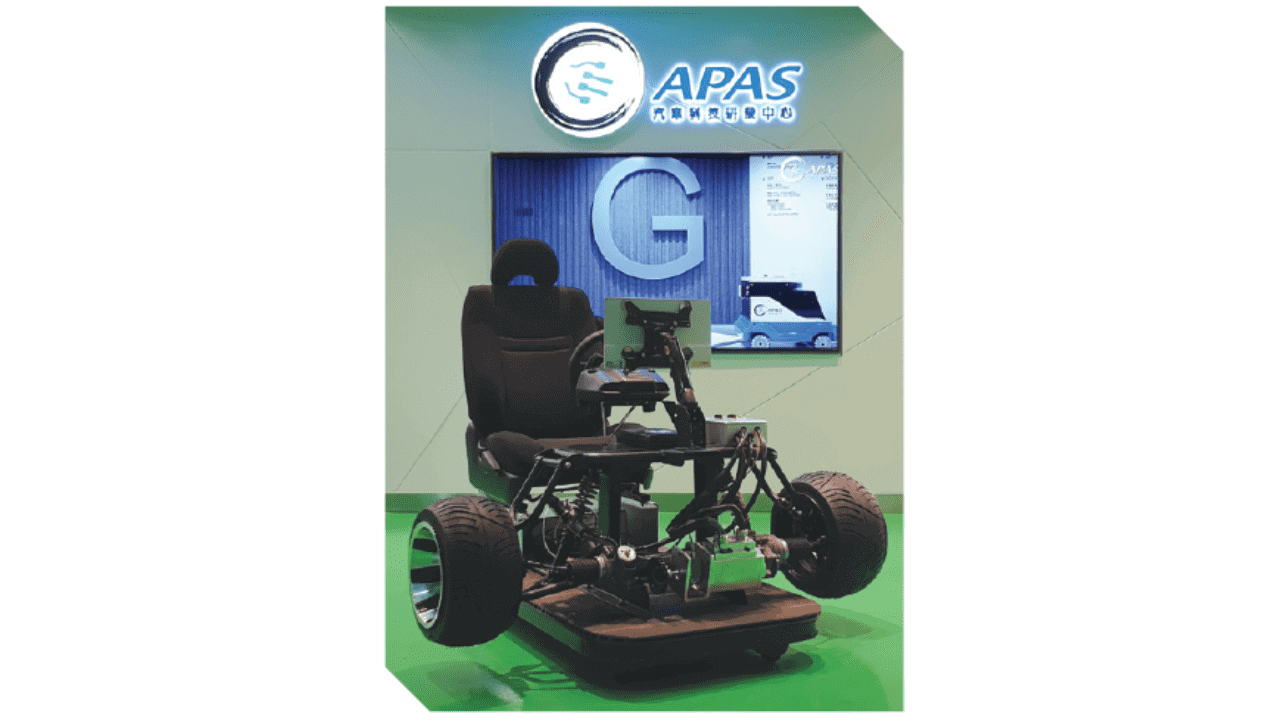
Centre of Advanced Power and Autonomous Systems (APAS)
Centre of Advanced Power and Autonomous Systems (APAS) (formerly Automotive Platforms and Application Systems R&D Centre) was established in 2006 and is fully integrated as a business division under HKPC on 1 April 2025. APAS continues to undertake market-led R&D programmes spanning green transportation, smart mobility, intelligent systems and emerging applications, as well as commercialises R&D results in collaboration with industry, universities and technology institutes to enhance the competitiveness of Hong Kong's automotive and other transportation sectors in new energy and smart driving.
Enquiry