Plasma-Driven Catalysis (PDC) Air Purification
Overview
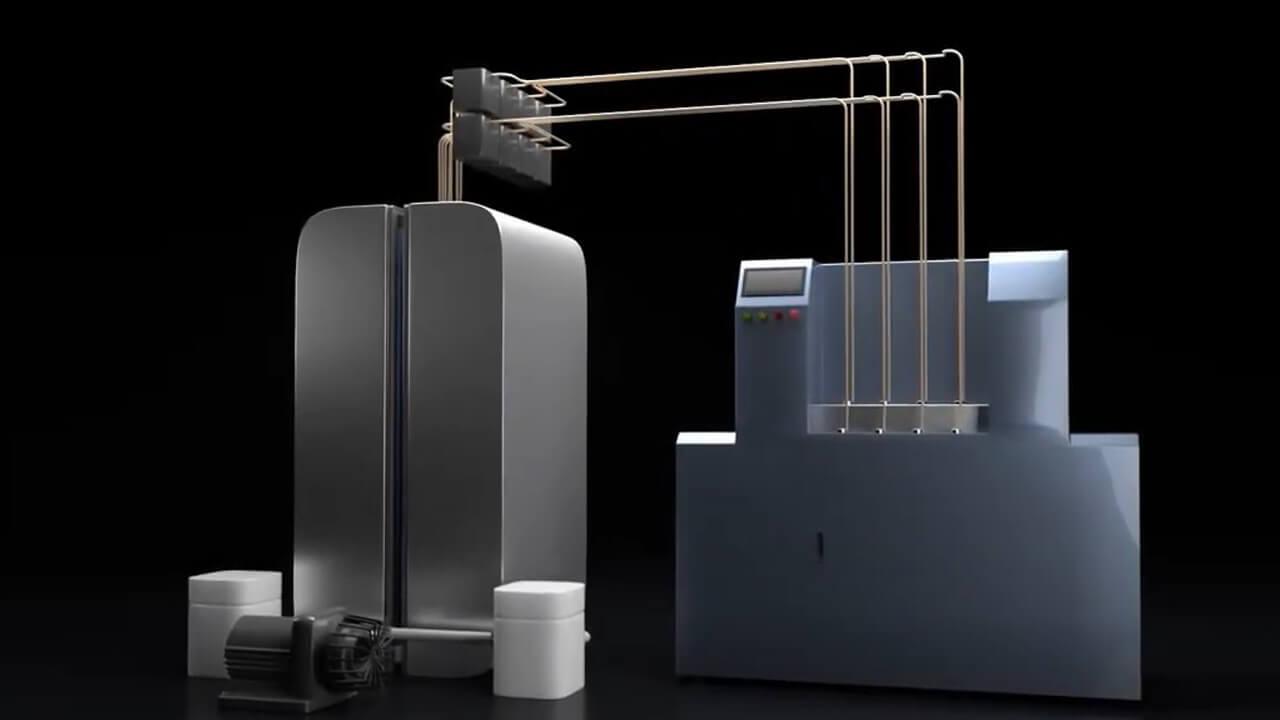
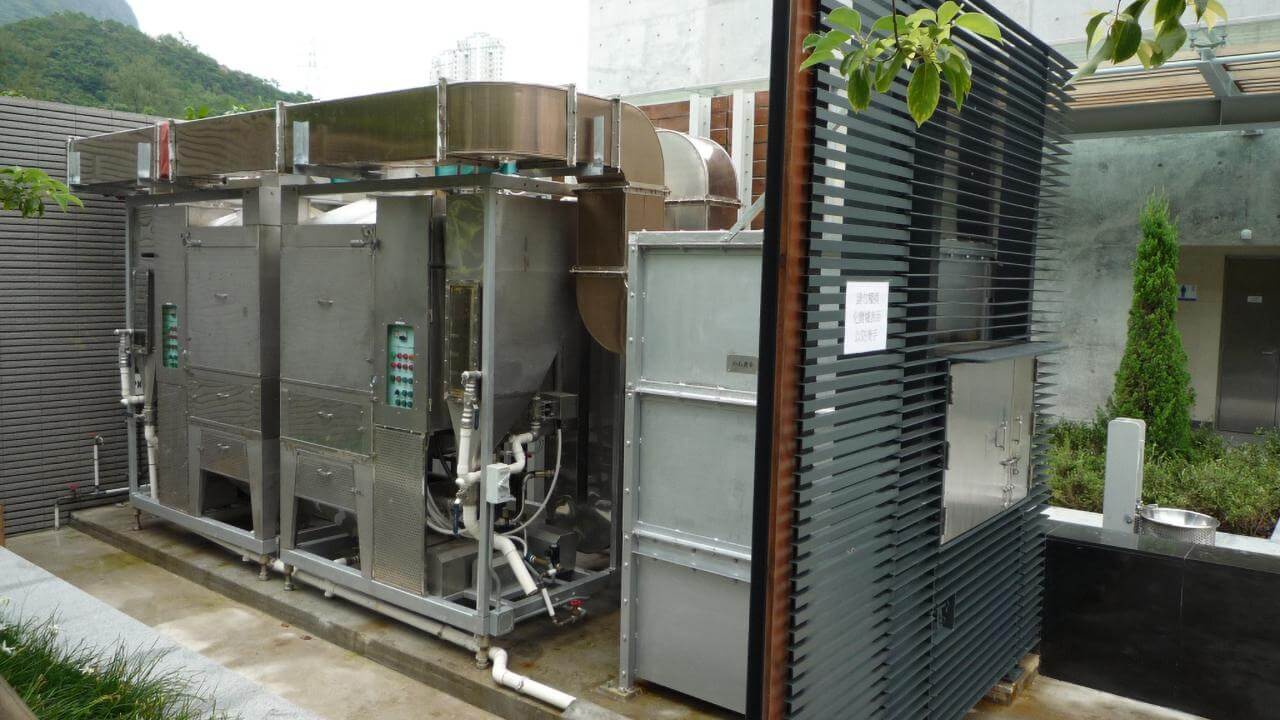
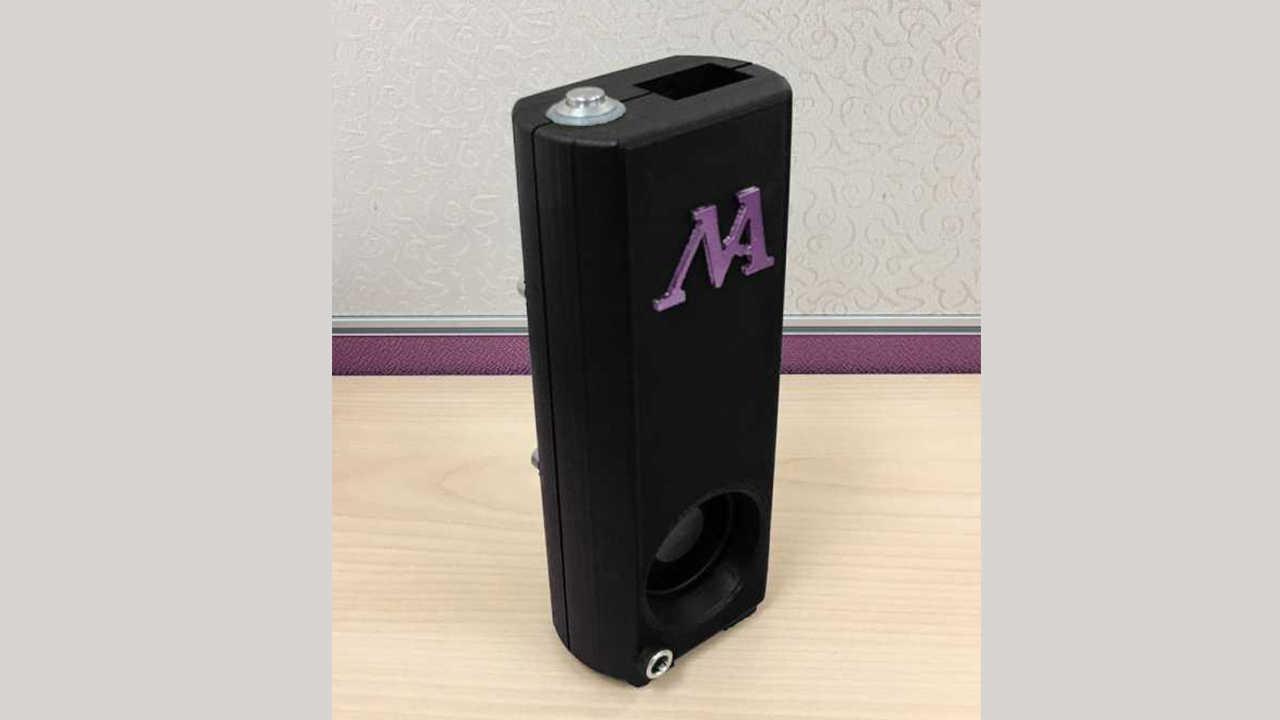
NAMI has developed a plasma-driven catalysis (PDC) air purification technology with downstream disinfection effect.
Commercialisation opportunities
Non-exclusive licensing
Problem addressed
Unlike traditional plasma technology that generates many harmful by-products, NAMI's air purification technology based on plasma-driven catalysis (PDC) features high-energy efficiencies without harmful by-products, yet with downstream disinfection effect.
Innovation
- This air cleaning technology enables deep purification of whole range of toxic compositions into CO2 and H2O in heavily polluted environments, being higher efficient than other air purification technology using only plasma or photocatalyst.
Key impact
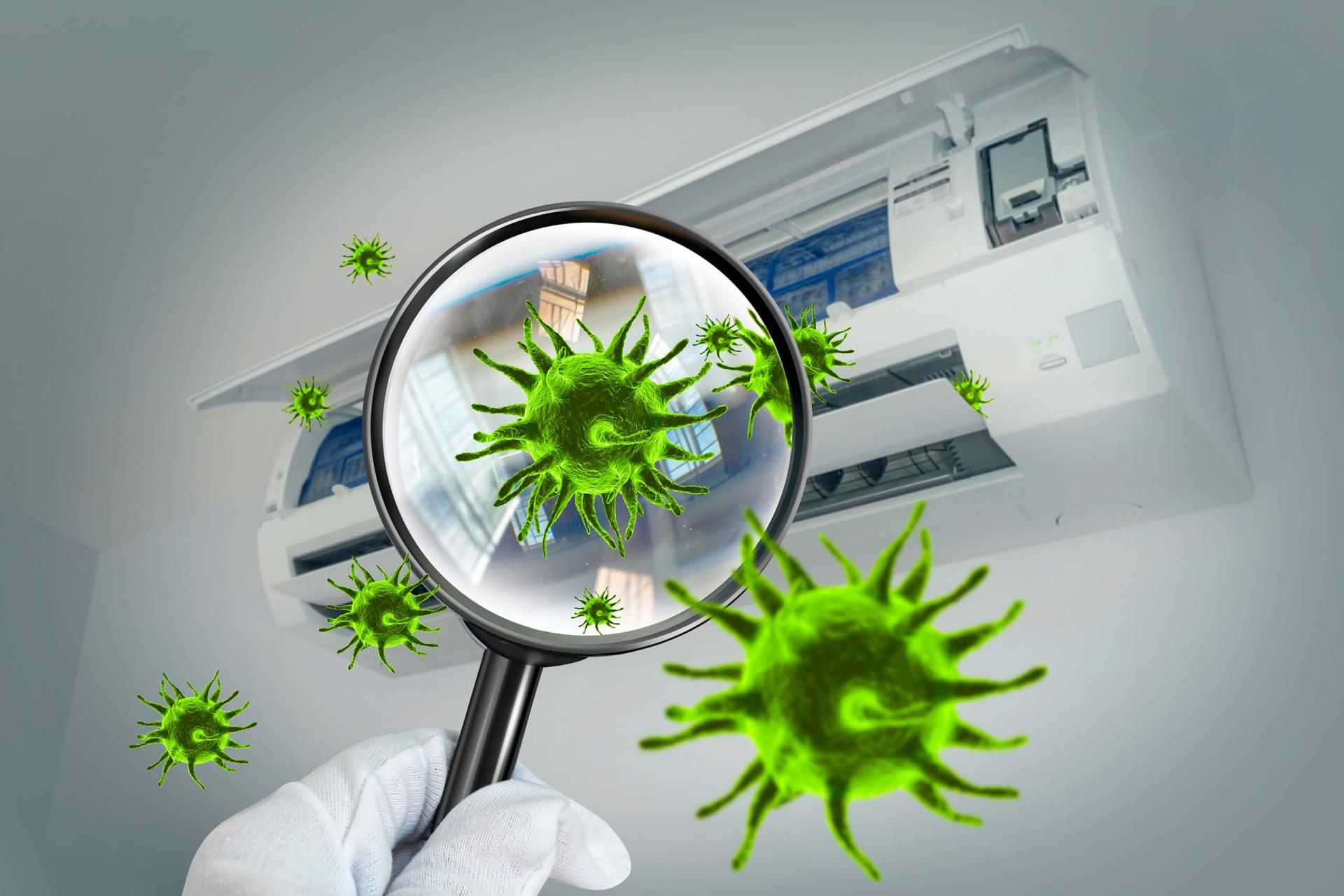
- Effective and efficient removal of air contaminants such as VOCs, NOx, odor, bacteria and virus
- Large airflow with downstream disinfection effect and no harmful by-product
- Integration with HVAC and AHU system
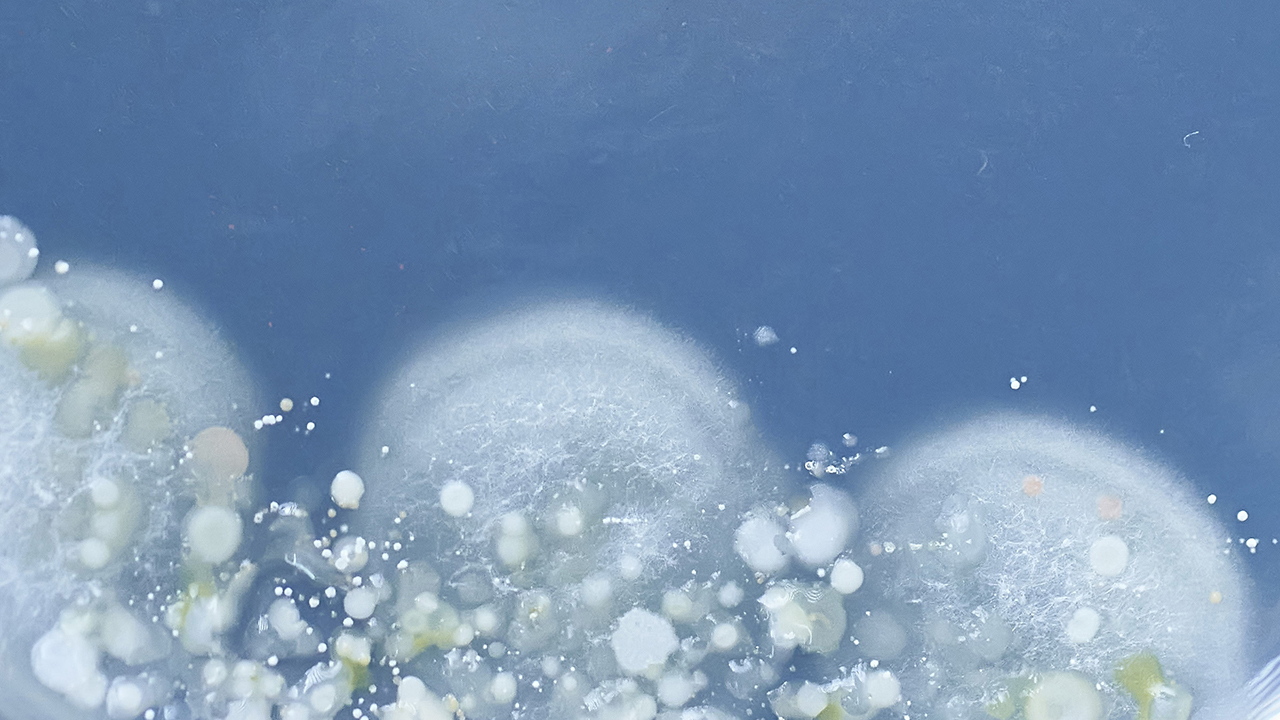
- Anti-mold, pest repellent and improve seed germination
Application
- Offices, smoking rooms and karaoke
- Hospitals and washrooms
- Food processing factories and restaurants
- Agriculture
Hong Kong Applied Science and Technology Research Institute (ASTRI)
Hong Kong Applied Science and Technology Research Institute (ASTRI) is founded in 2000 by the Government of the Hong Kong Special Administrative Region. As Hong Kong’s largest government-funded research and development centre, ASTRI is a key force and super connector driving innovation and technology advancement in Hong Kong, the Greater Bay Area, and the global innovation ecosystem. This role is strengthened through its merger with Nano and Advanced Materials Institute (NAMI).
Committed to bringing high impact research from lab to market, ASTRI advances interdisciplinary, market driven R&D that delivers practical innovations for industry and meaningful benefits for society.
Enquiry