Modular Integrated Construction (MiC) Innovations
Overview
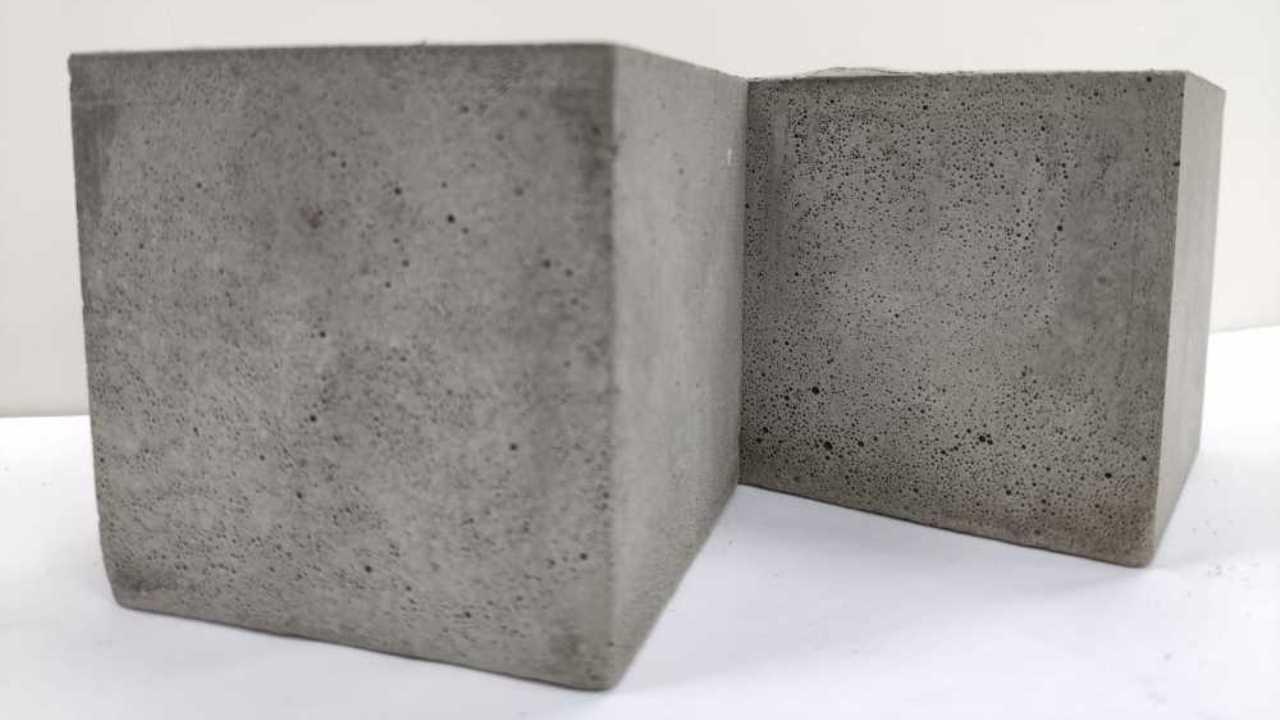
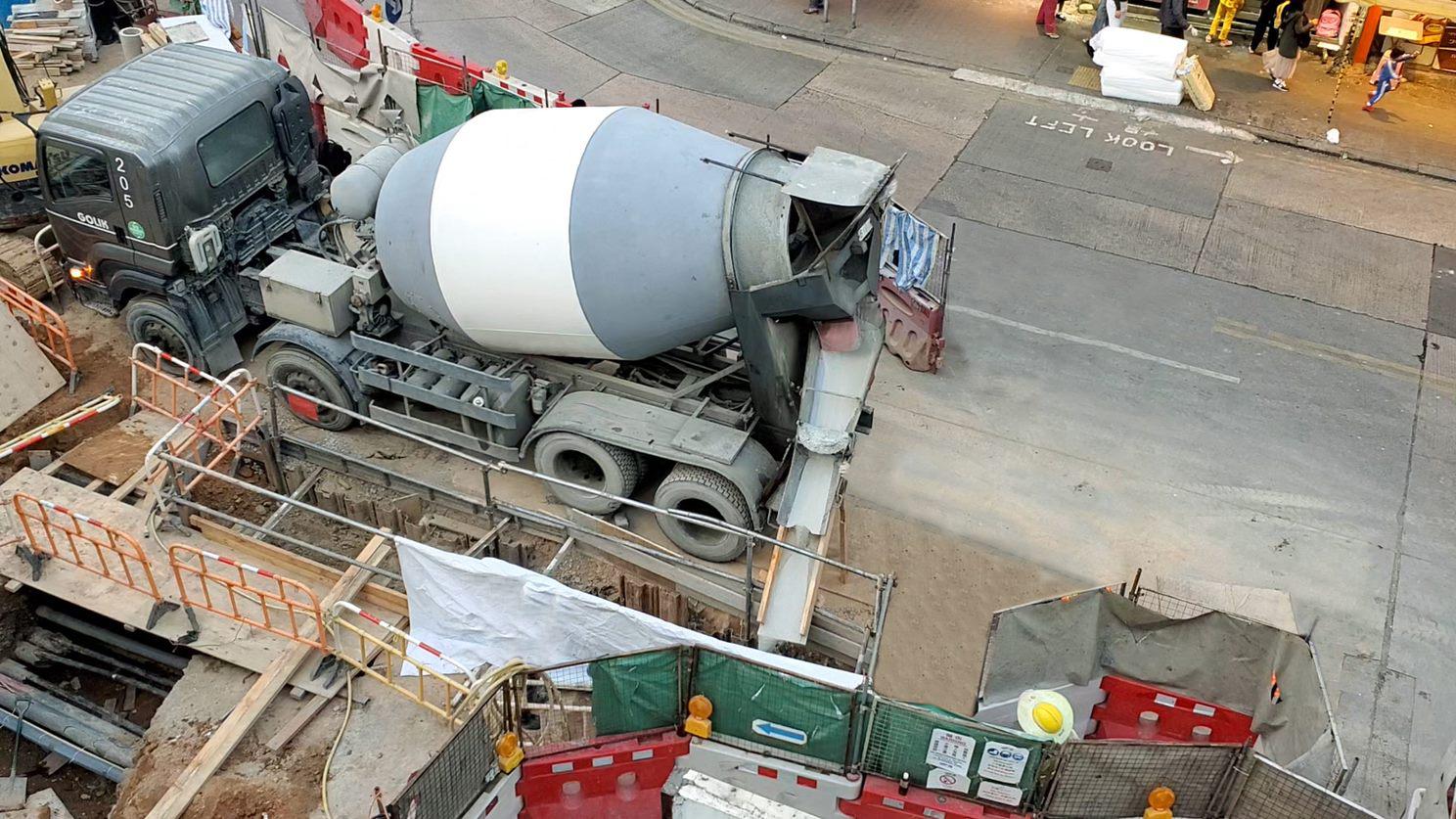
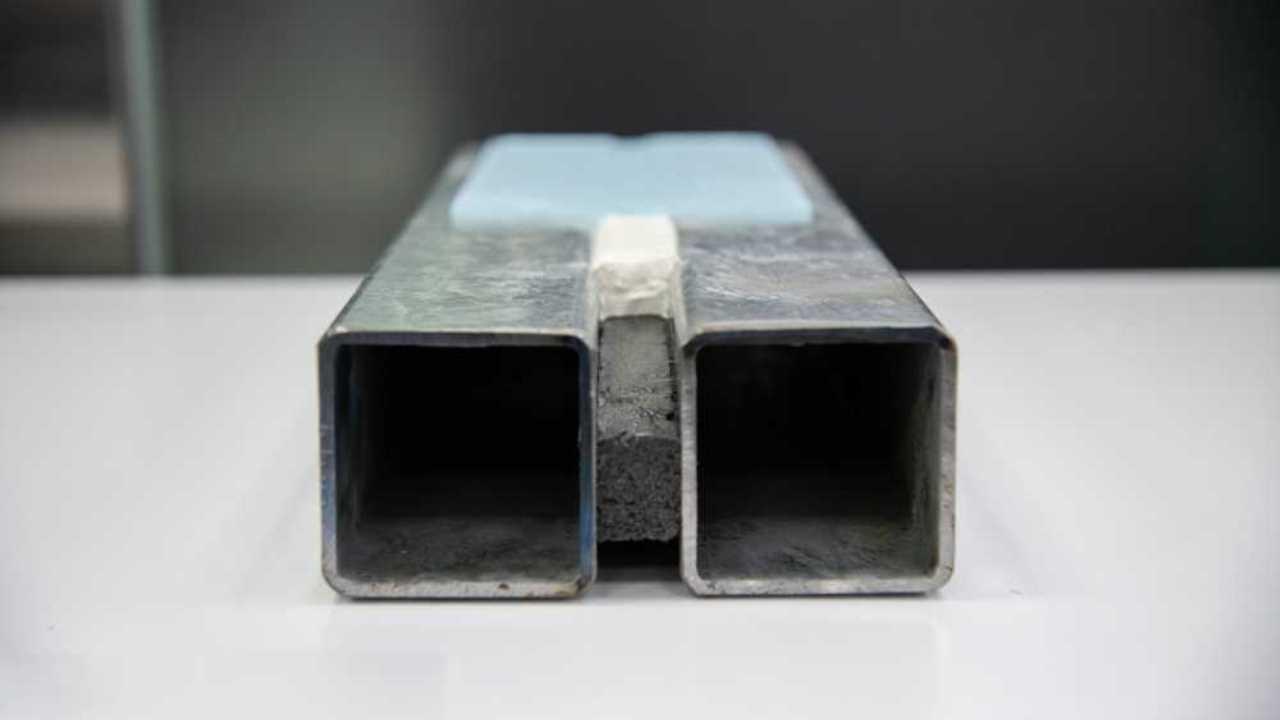
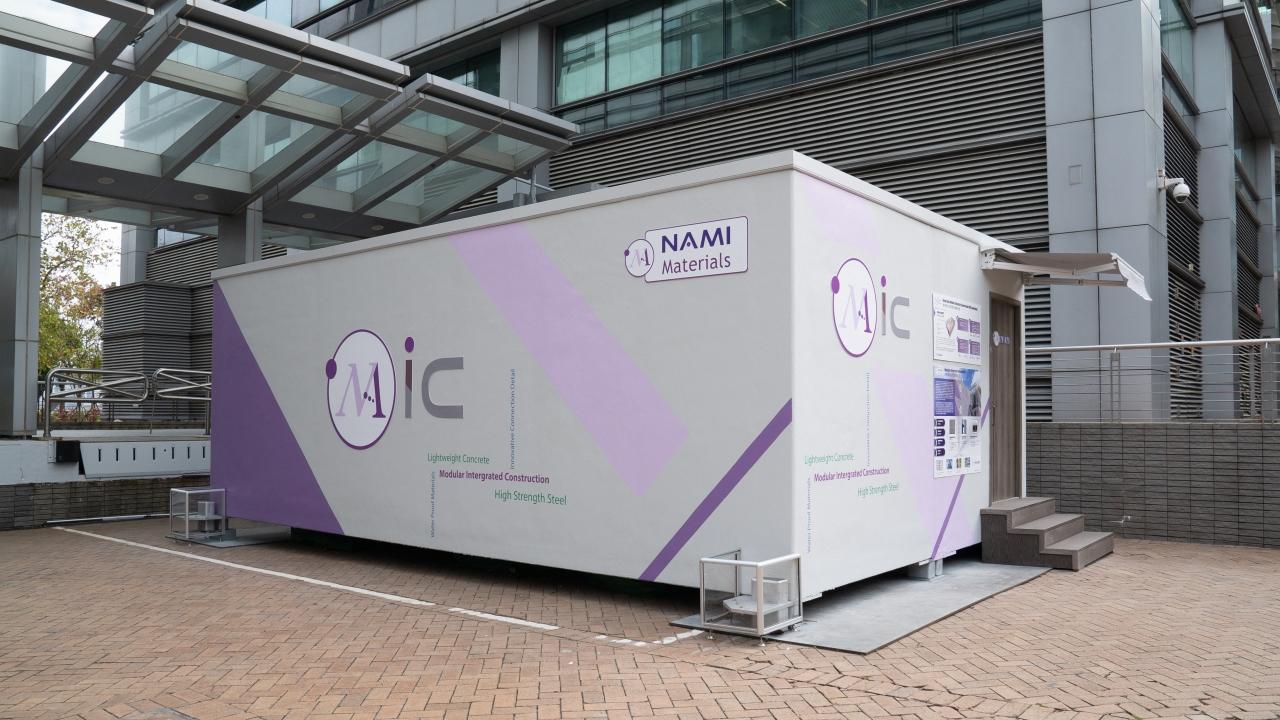
MiC, an innovative construction method offering the merits of the shortened construction period, better quality control, less demand for on-site labor, reduction in construction waste, etc., is being promoted to meet the increasing demand for housing. NAMI has developed a hybrid steel-concrete MiC which is highly applicable in Hong Kong to meet users’ living expectations.
Commercialisation opportunities
Non-exclusive licensing
Problem addressed
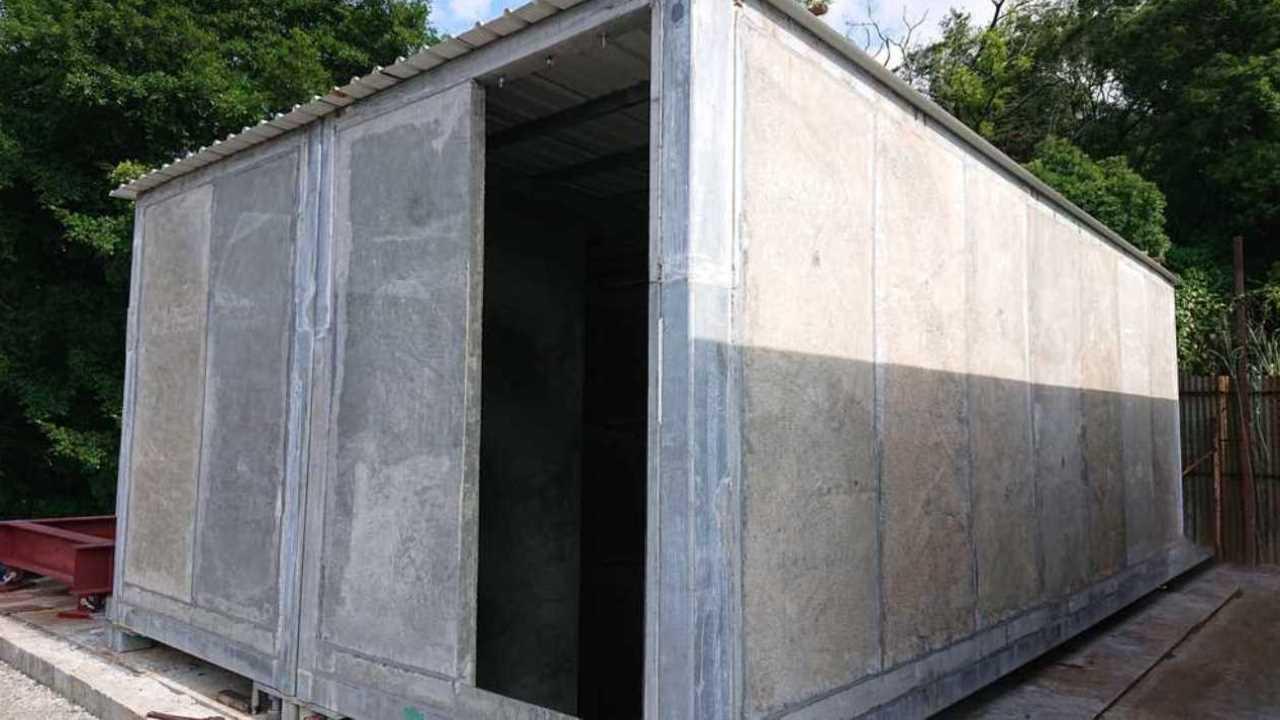
Conventional dry-wall system of steel structural-based MiC is not suitable under humid weather conditions and cannot be fitted with heavy appliances or furniture, while concrete based MiC is relatively heavier and smaller in size with limitations for construction. NAMI’s hybrid steel-concrete MiC by leveraging its patented high-strength lightweight foamed concrete can address these issues.
Innovation
- NAMI's hybrid MiC achieves C-25 structural strength but weighs only 60% of normal concrete, significantly reducing the weight of a MiC module of 8m (L) x 2.5m (W) x 3m (H) from over 30 tons to about 20 tons.
- The lightweight foamed concrete has 3 times more insulation than that of the normal concrete, enabling the finished modules to have superior electricity savings.
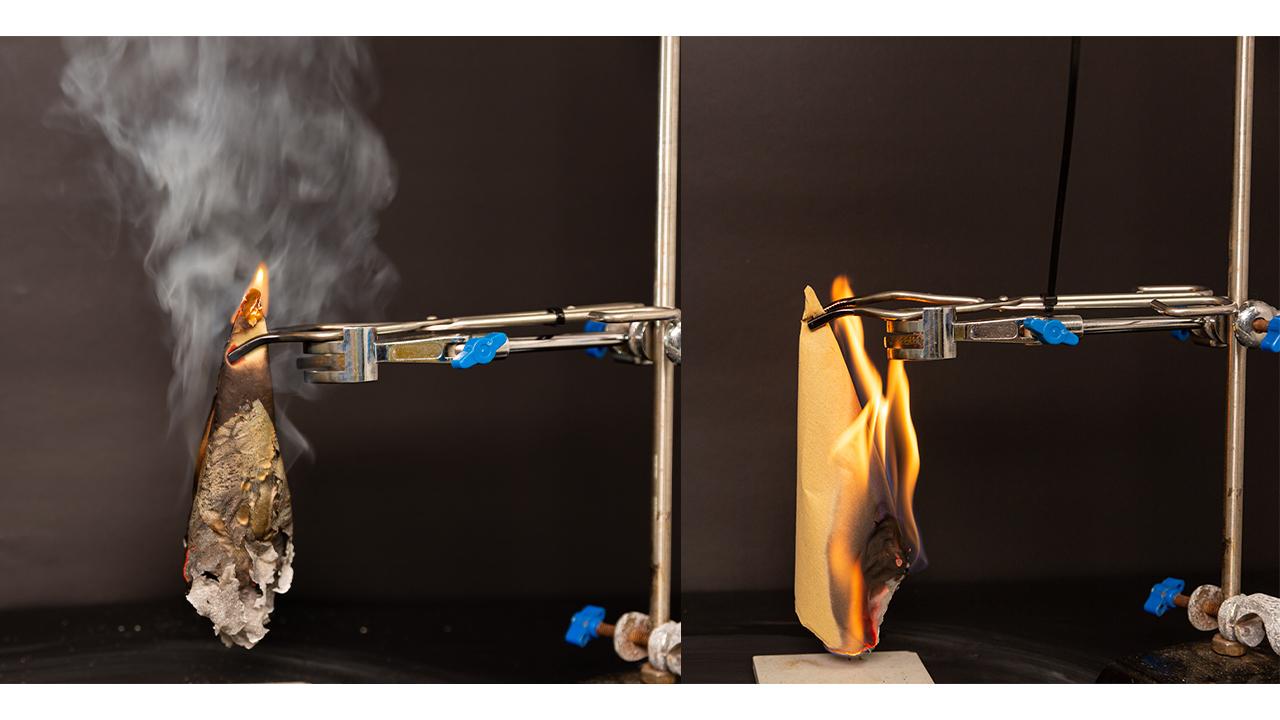
- The foamed concrete wall panel is lightweight and yet able to provide sufficient anchorage strength of 4000N for direct high-level wall cupboard installation for a favorable user experience. The material has also passed the certified fire resistance tests for wall and slab panels.
Key impact
- Reduced by 40% weight and member sizes of the MiC module due to the combined merits of steel structure and concrete
- Excellent durability and easy maintenance
- Superior fire-resistant and 3-time thermal insulation properties imparted by the structural-grade concrete, enabling significant energy saving, emission reduction
- Ideal for use in Hong Kong's environment
Application
- Public and private residential buildings
- Dormitory, transitional housing and hotel
- School and office
- Standardized and reusable building
Hong Kong Applied Science and Technology Research Institute (ASTRI)
Hong Kong Applied Science and Technology Research Institute (ASTRI) is founded in 2000 by the Government of the Hong Kong Special Administrative Region. As Hong Kong’s largest government-funded research and development centre, ASTRI is a key force and super connector driving innovation and technology advancement in Hong Kong, the Greater Bay Area, and the global innovation ecosystem. This role is strengthened through its merger with Nano and Advanced Materials Institute (NAMI).
Committed to bringing high impact research from lab to market, ASTRI advances interdisciplinary, market driven R&D that delivers practical innovations for industry and meaningful benefits for society.
Enquiry