Δ42PD1 Antibody Drug as an Immunotherapy against Cancers and Infections
Overview
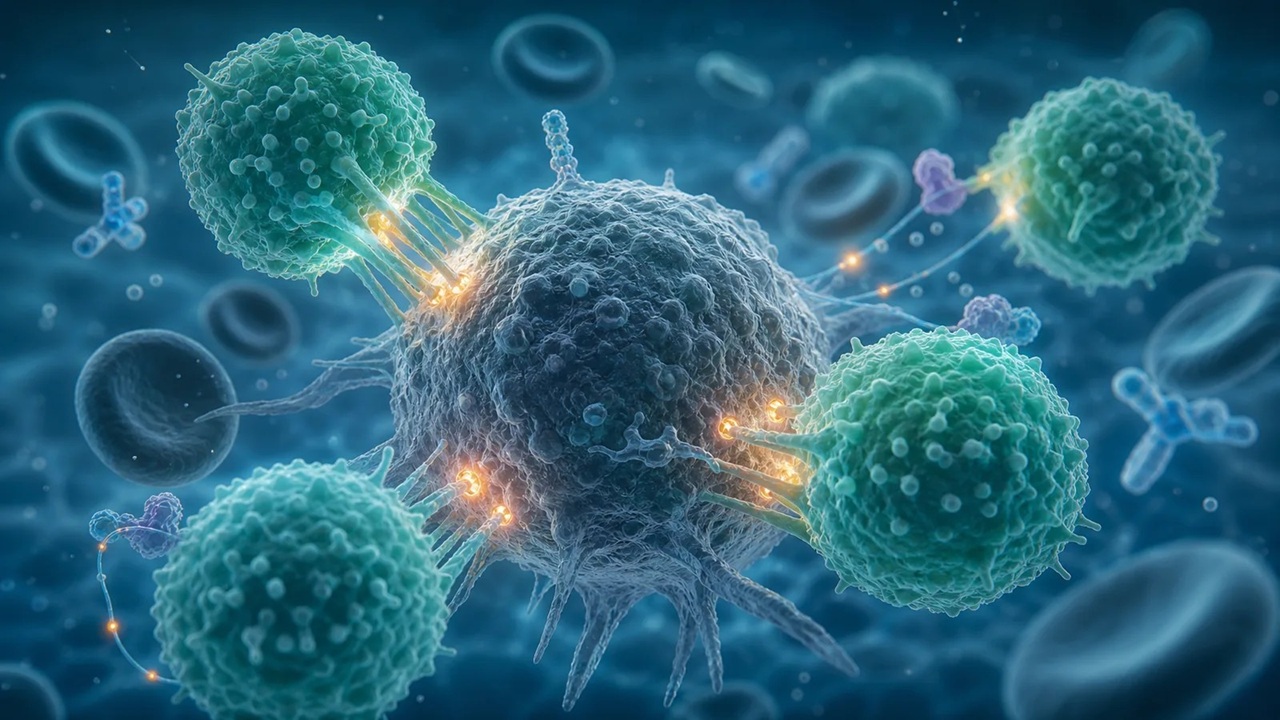
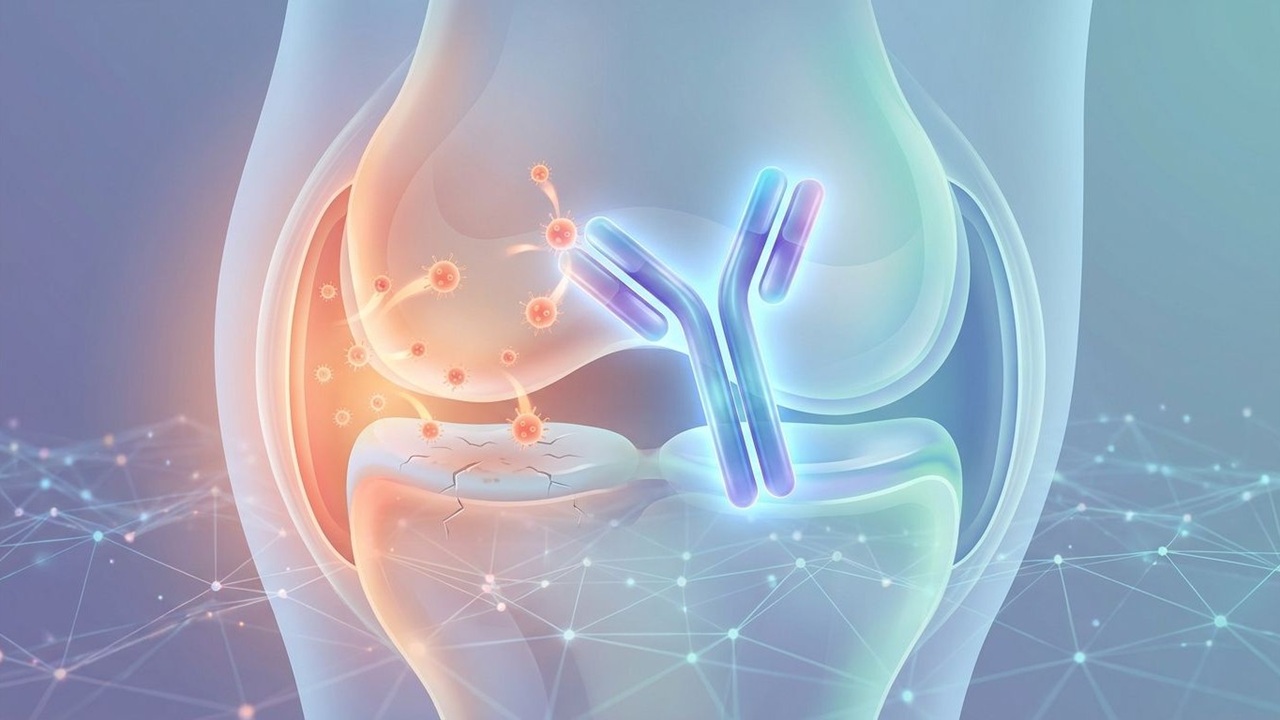
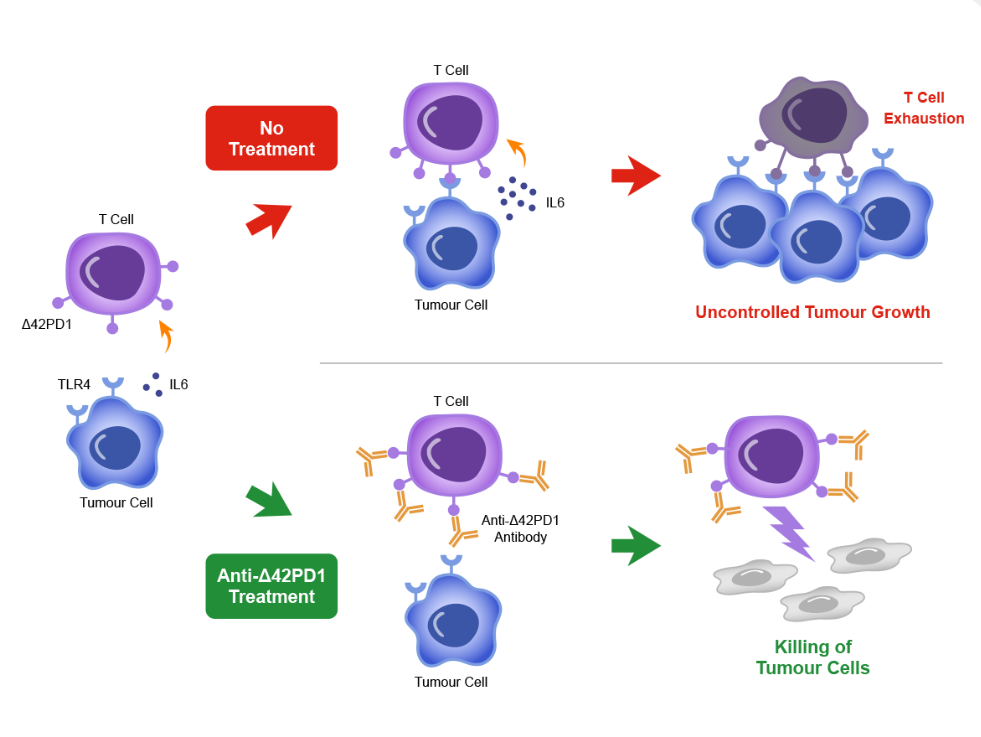
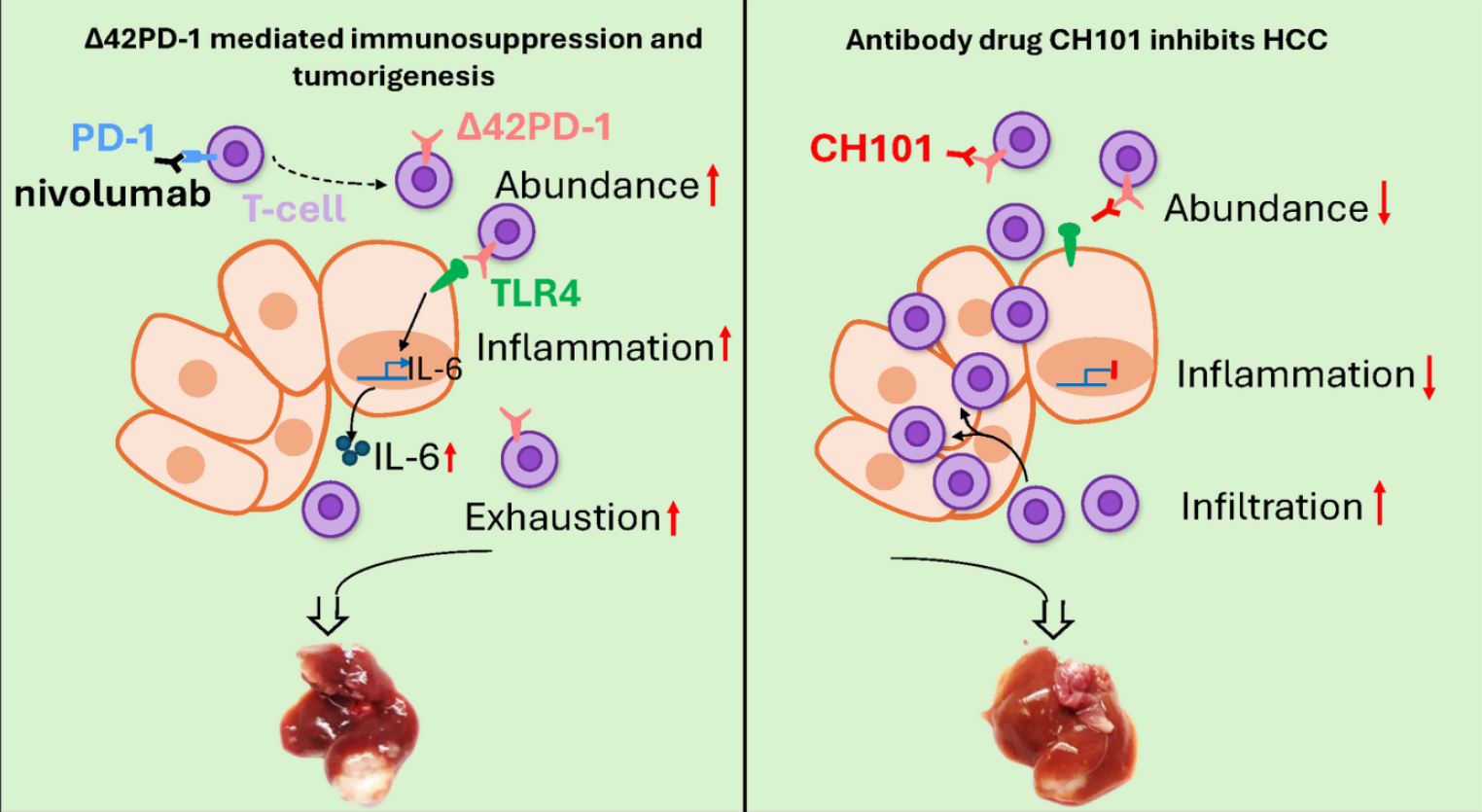
Orimmune BioTech Limited, spun off from CVVT and HKU AIDS Institute in collaboration with Immuno Cure BioTech, develops a novel Δ42PD1-blocking antibody as immunotherapy for hepatocellular carcinoma (HCC) and other cancers/infections. This targets a unique PD-1 isoform that drives inflammation and T cell exhaustion, independent of PD-1/PD-L1 pathways
Commercialisation opportunities
Exclusive licensing; partnership for clinical development and market entry in China/global markets.
Problem addressed
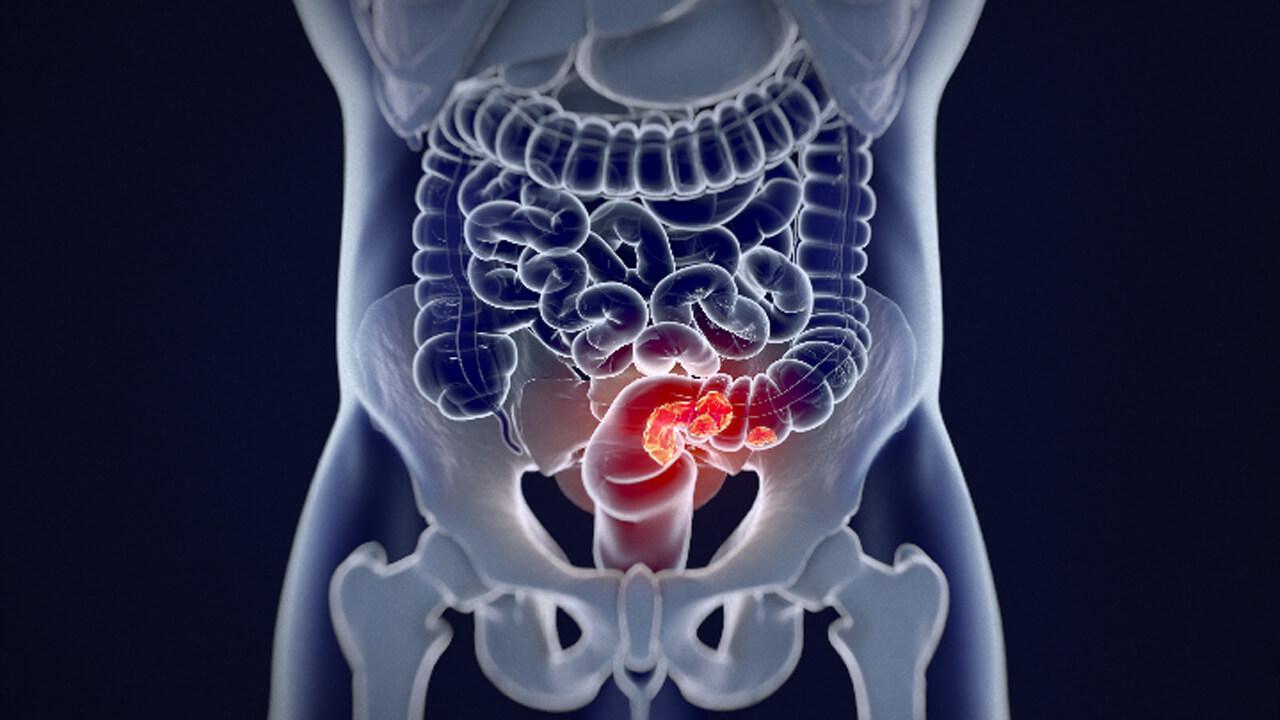
Hepatocellular carcinoma (HCC) causes over 900,000 new cases yearly worldwide, with >45% in China, driven by chronic HBV/HCV or NAFLD. Standard treatments offer poor 5-year survival (3-11%). Current immune checkpoint inhibitors achieve only ~20% response rates in HCC, creating urgent need for novel targets beyond PD-1/PD-L1.
Innovation
- Δ42PD1 is an alternatively spliced PD-1 isoform (14-amino-acid deletion in exon 2) expressed on immune cells like γδ T cells; it promotes pro-inflammatory TLR4 signaling without binding PD-L1/L2.
- Specific monoclonal antibody CH101 selectively blocks Δ42PD1, avoiding cross-reactivity with canonical PD-1, enabling reversal of T cell exhaustion and suppression of tumor-promoting inflammation.
- Humanized versions (huCH101) advance toward clinical use, offering a PD-1-independent mechanism for enhanced anti-tumor immunity.
Key impact
- Addresses low ~20% response rates in HCC immunotherapy by targeting a novel pathway, potentially improving outcomes in non-responders to standard ICB.
- Independent of PD-1/PD-L1 interaction reduces risks of traditional ICB side effects while restoring functional T cell responses.
- High HCC burden in China positions Orimmune for primary market access via partnerships
Award
- Awarded significant funding under HKSAR Government's RAISe+ Scheme for Δ42PD1 antibody development and commercialization against cancers and infections
Application
- Liver cancer (hepatocellular carcinoma, HCC) – primary indication
- Other solid tumors (e.g., nasopharyngeal carcinoma
- Infectious diseases (under R&D)
Outbreaks of infectious diseases pose a grave risk and burden formedical services and public health systems, both in the human cost of suffering and socioeconomic disruption.
Implementing proactive and effective surveillance and control measures for such outbreaks requires a comprehensive knowledge of the viruses circulating in both animals and humans.
Centre for Virology, Vaccinology and Therapeutics (CVVT) has been established to develop that critical base of knowledge and transform impactful research discoveries into practical applications to control and even prevent infectious diseases. Apart from the comprehensive knowledge of the viruses, CVVT aims to develop a novel vaccine platform for respiratory viruses, broad spectrum antivirals for prophylactic and therapeutic treatment, and highly-multiplex diagnostic tests for rapid detection.
Enquiry