EDC-T: an AI-driven promising immunotherapy for solid cancers
Overview
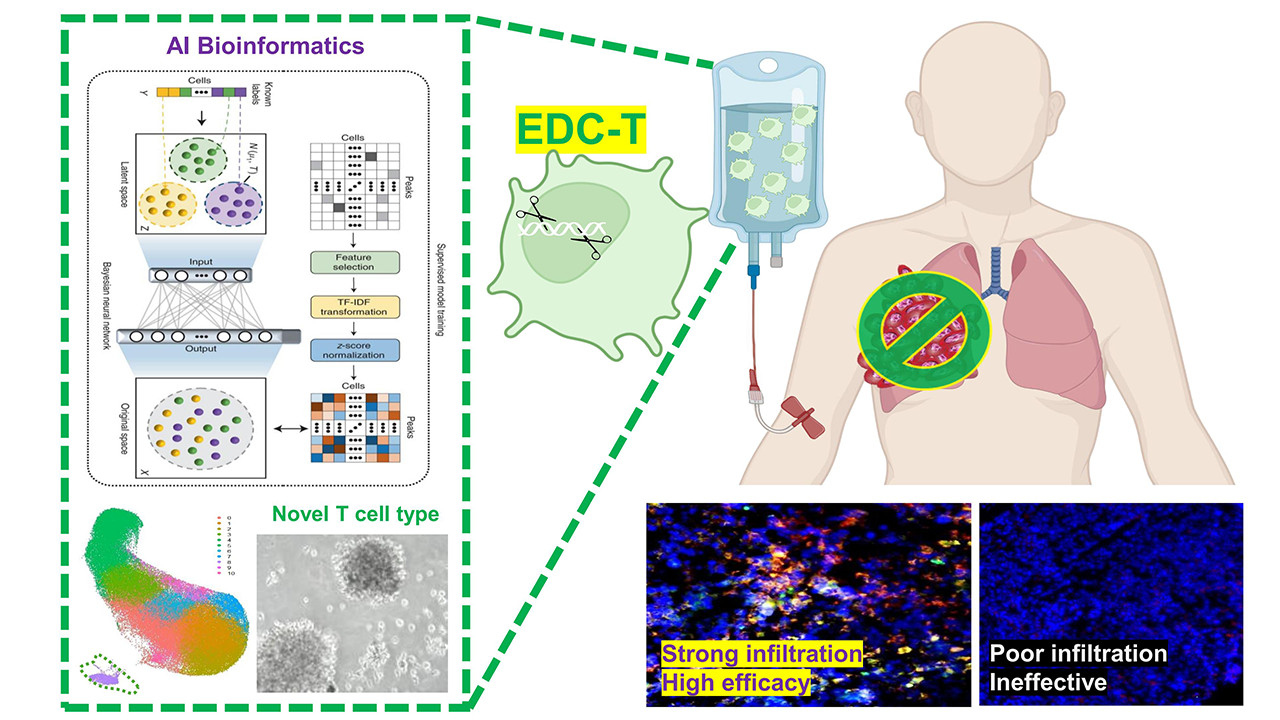
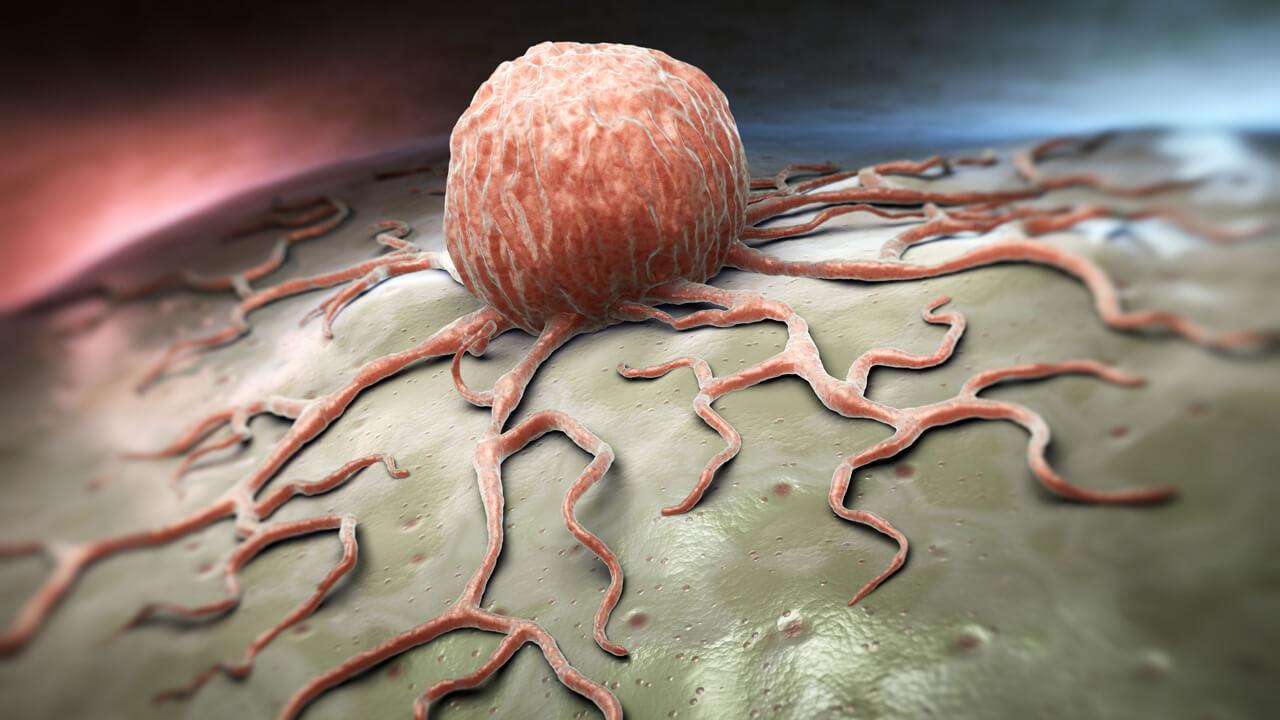
By artificial intelligence and single-cell bioinformatics, we discovered a novel T cell type specifically exists in solid tumors. It can eliminate cancers with resistant to conventional chemotherapy and T-cell based immunotherapy, representing a promising immunotherapy for solid tumor in clinics.
Commercialisation opportunities
Technology licensing, industry collaboration, and joint development of next-generation cellular immunotherapy products for solid cancers.
Problem addressed
Solid tumors account for the majority of cancer deaths worldwide. Current treatments, including chemotherapy, targeted therapy and CAR-T therapy, show limited efficacy against solid tumors due to poor immune cell infiltration, tumor heterogeneity and therapy resistance. Safer and more effective cellular immunotherapies are urgently needed to overcome these limitations.
Innovation
- EDC-T is a novel engineered T-cell immunotherapy discovered through AI-assisted single-cell analysis, revealing a unique immune cell population with potent anti-tumor activity against solid cancers.
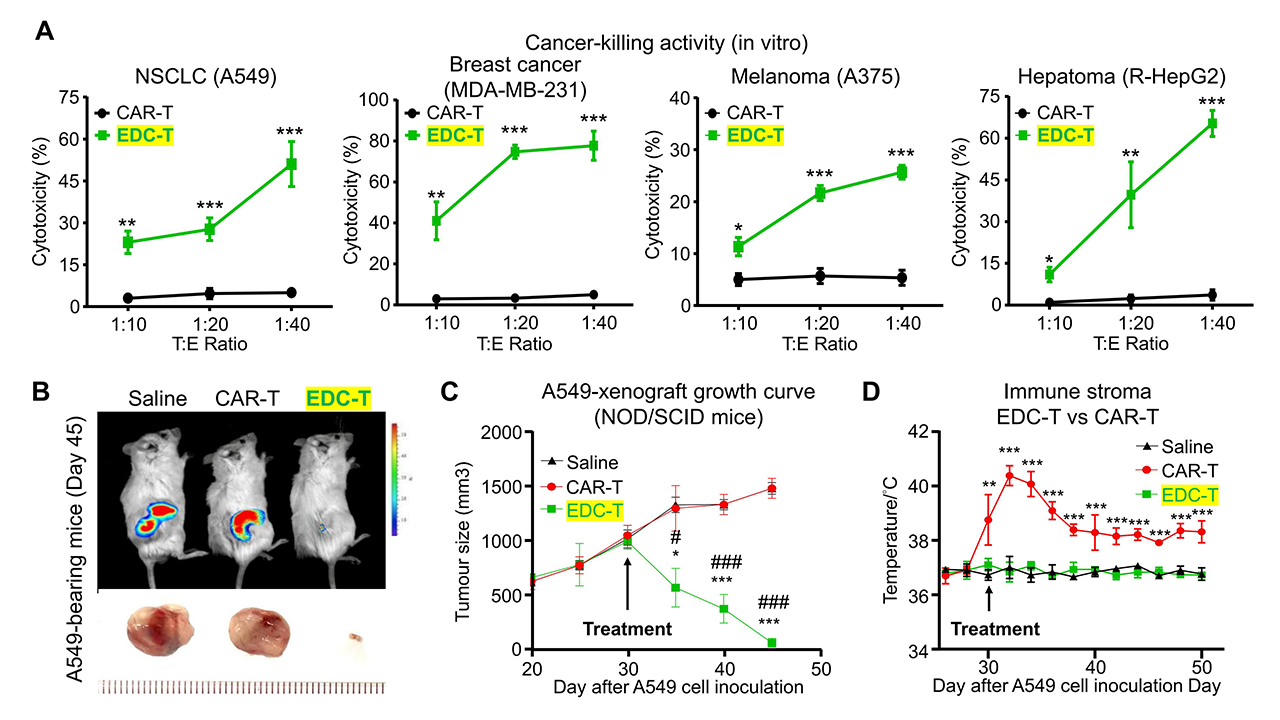
- EDC-T cells exhibit strong tumor infiltration and broad anti-cancer activity, offering a promising next-generation cellular immunotherapy for solid tumors that are difficult to treat with conventional CAR-T therapy.
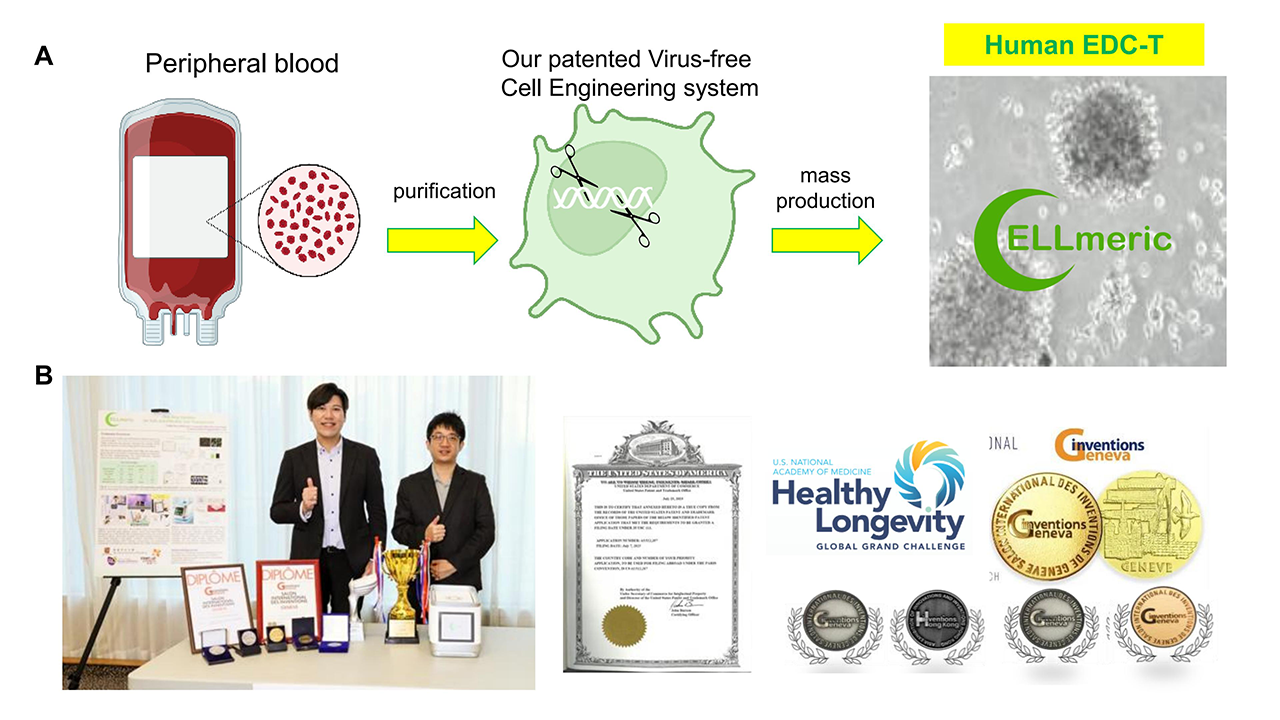
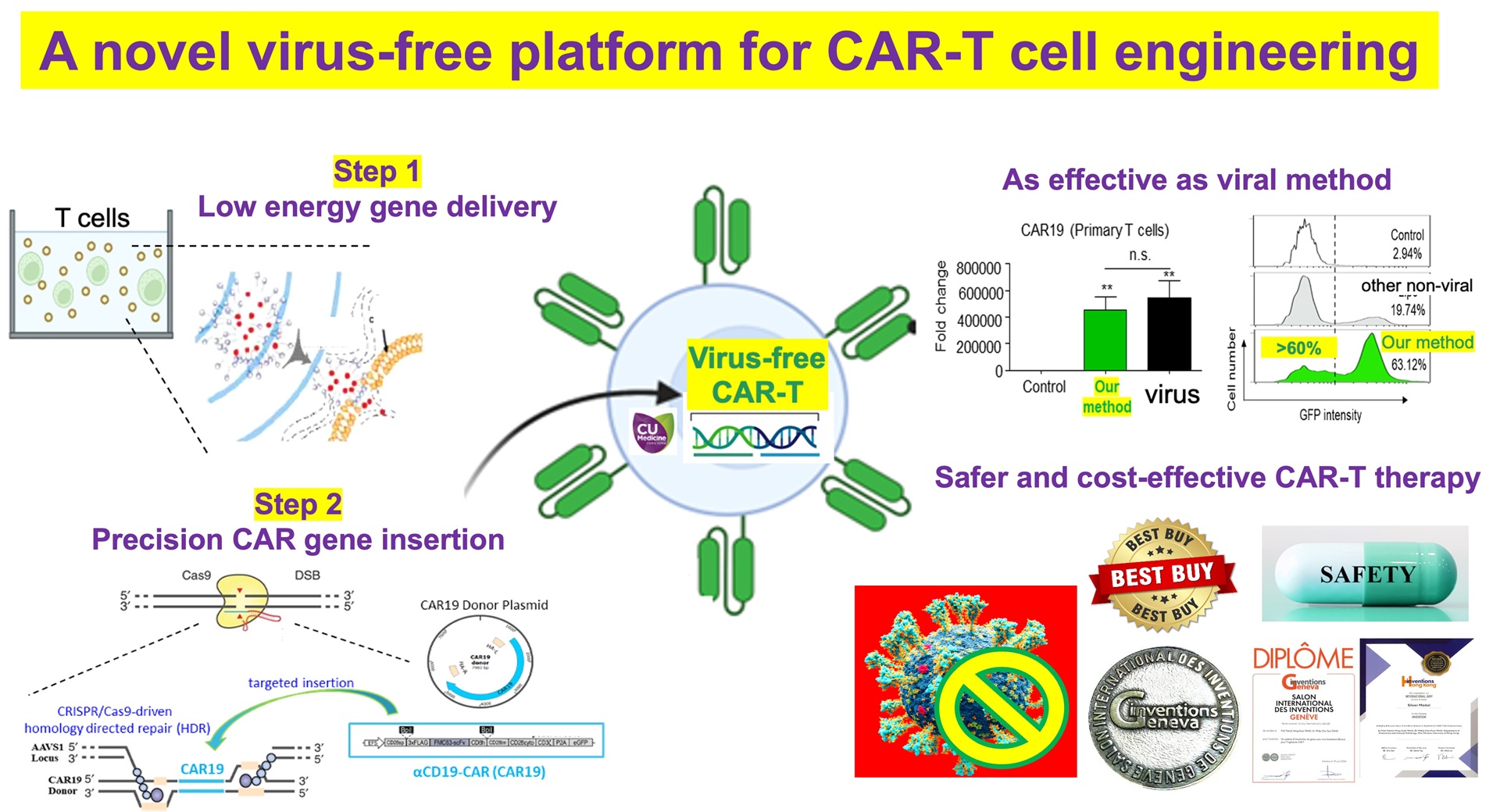
- The technology integrates a patented virus-free genome editing platform that enables efficient and safer immune-cell engineering without viral vectors, reducing manufacturing complexity and cost.
Key impact
- Provides a new cellular immunotherapy strategy to address major challenges in solid tumor treatment, including limited immune-cell infiltration, tumor heterogeneity, and resistance to existing therapies.
- EDC-T cells demonstrate strong tumor infiltration and broad anti-cancer activity, enabling effective targeting of multiple solid tumor types.
- The virus-free genome engineering platform improves safety while significantly reducing manufacturing complexity and cost compared with conventional viral vector-based cell therapies.
- The patented virus-free genome engineering platform demonstrates strong translational and commercialization potential, enabling scalable development of next-generation cellular immunotherapies.
Award
- Excellence Award, the National Disruptive Technology Innovation Competition 2025
- Gold Medals, 5th Asia Exhibition of Innovations & Inventions Hong Kong 2025
- Silver Medal at the Inventions of Geneva 2025
- National Key Project on Disruptive Technology Innovation (2025)
- ITSP (Mid-stream, theme-based) funded by the University Grants Committee (UGC)
- Early Career Scheme by Research Grants Council 2024
Application
- Cellular immunotherapy for treatment of solid tumors, including lung cancer, liver cancer and other refractory malignancies.
- Development of next-generation engineered immune-cell therapies for cancers resistant to conventional treatments.
- Scalable manufacturing of engineered immune cells using virus-free genome engineering technology.
- Platform for developing multiple cellular immunotherapies targeting different cancer types.
Patent
- US Provisional Patent (US 63/723,487)
- PCT Provisional Patent (PCT/CM2025/136246)
The Chinese University of Hong Kong (CUHK)
Founded in 1963, The Chinese University of Hong Kong (CUHK) is a forward-looking comprehensive research university with a global vision and a mission to combine tradition with modernity, and to bring together China and the West. CUHK teachers and students hail from all around the world. Four Nobel laureates are associated with the university, and it is the only tertiary institution in Hong Kong with recipients of the Nobel Prize, Turing Award, Fields Medal and Veblen Prize sitting as faculty in residence. CUHK graduates are connected worldwide through an extensive alumni network. CUHK undertakes a wide range of research programmes in many subject areas, and strives to provide scope for all academic staff to undertake consultancy and collaborative projects with industry.
Enquiry



























![Long COVID Test: [Non-Invasive Stool Test to detect distinct gut microbiome profile associated with “Long COVID”]](/uploads/image/202304/6802a81a4ec6afc2ac97f3912ec9a7f4.jpg)