Intelligent Reproductive Technology Platform

Overview
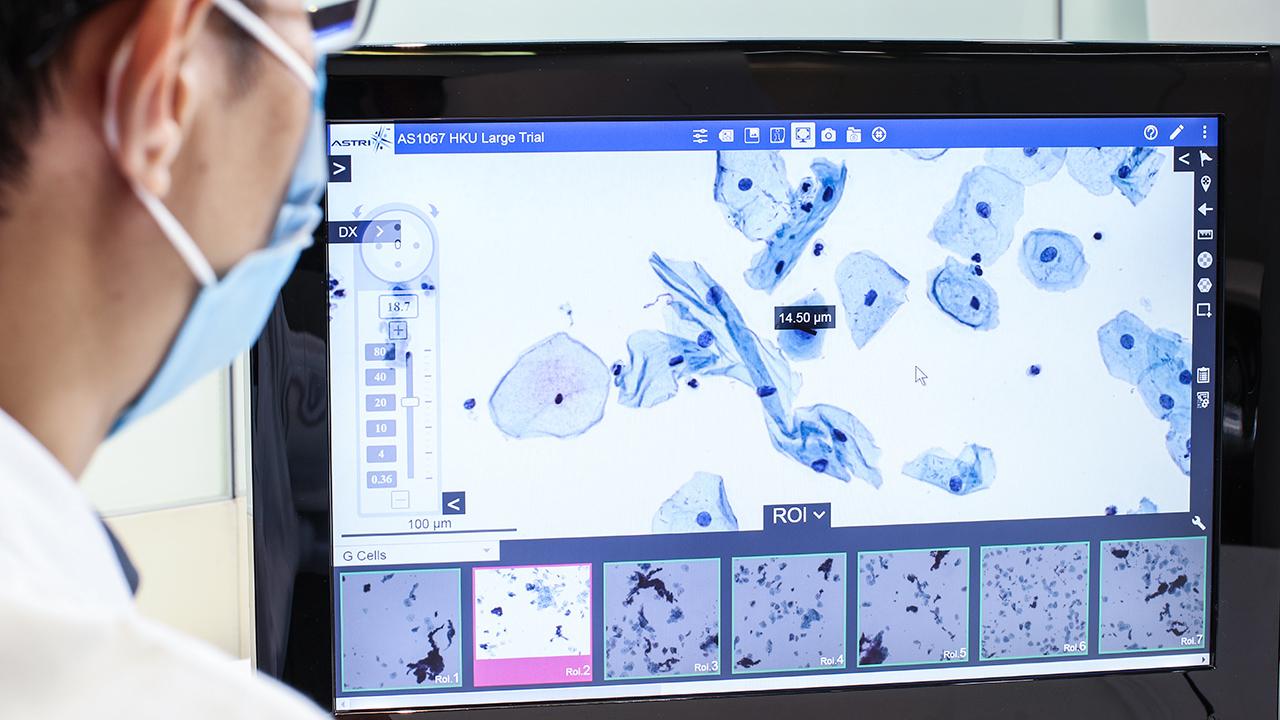
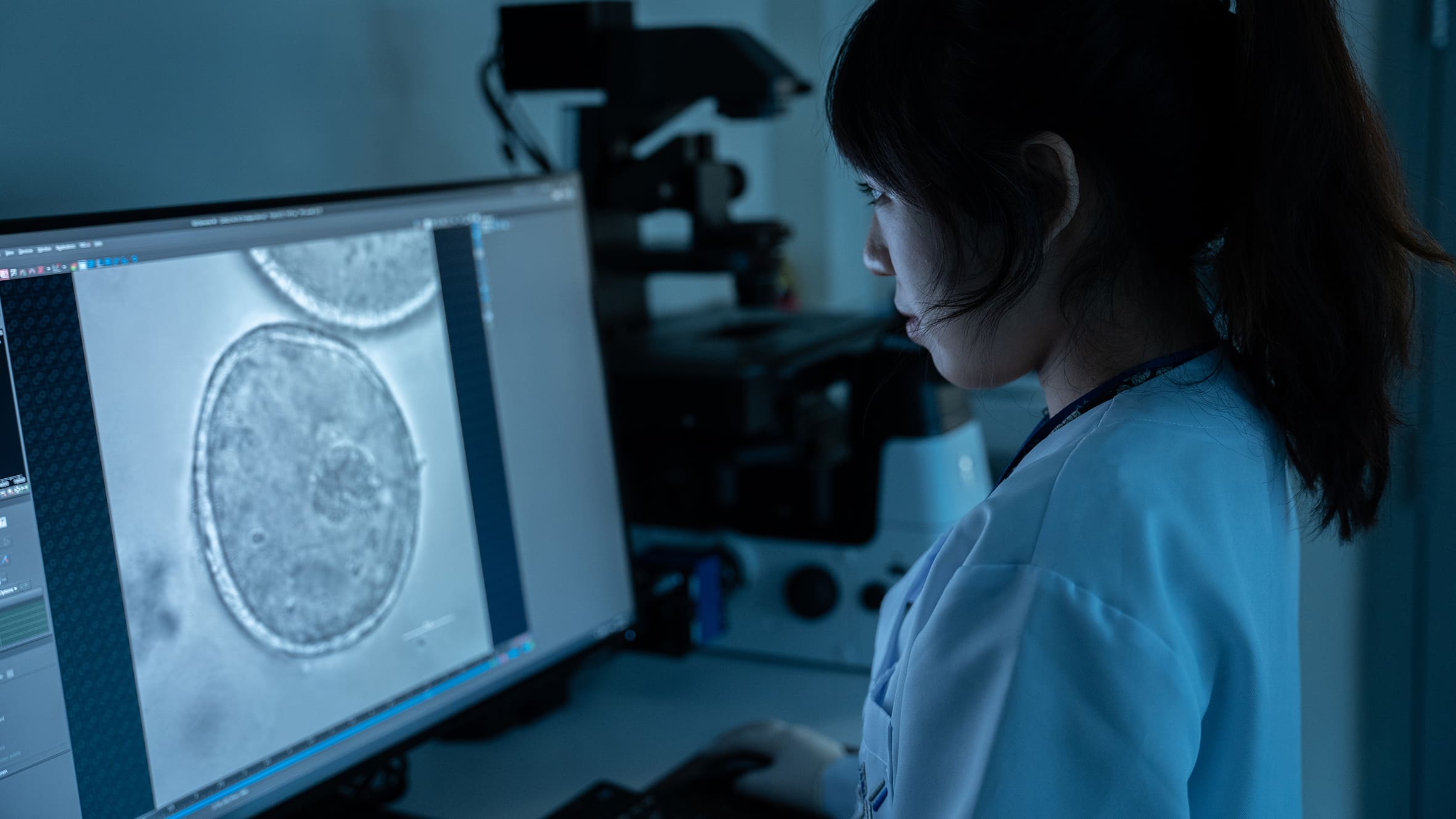
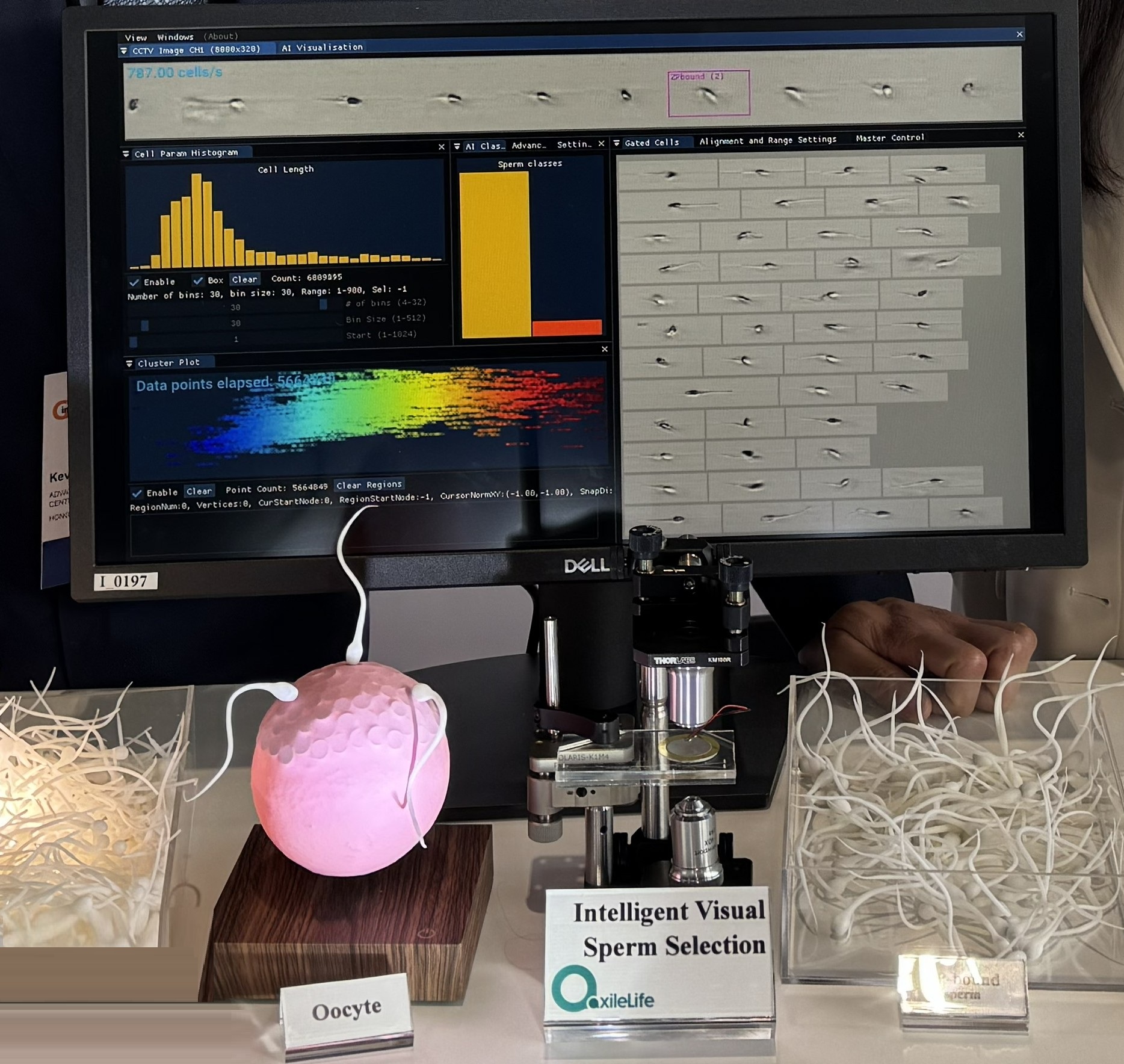
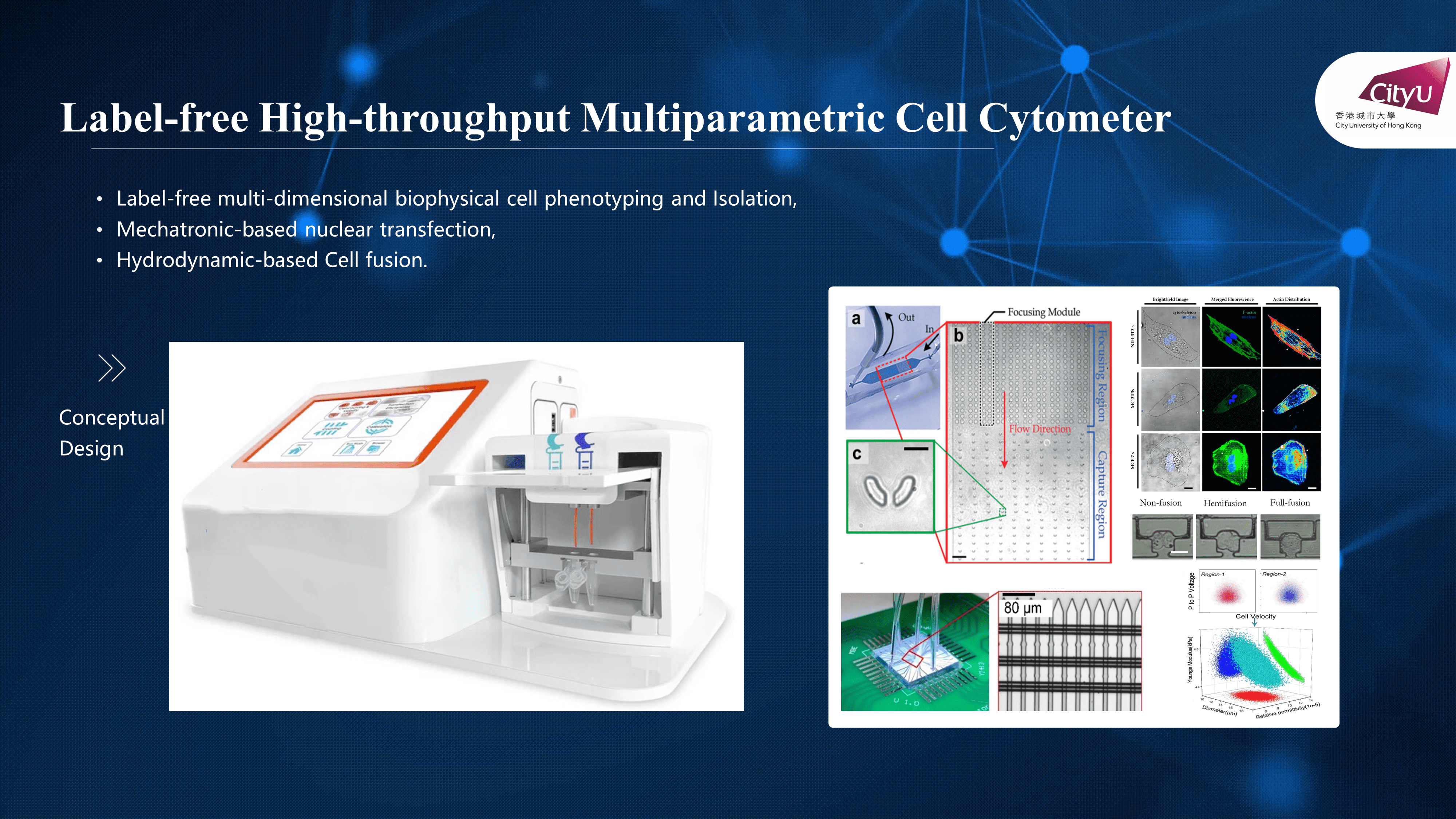
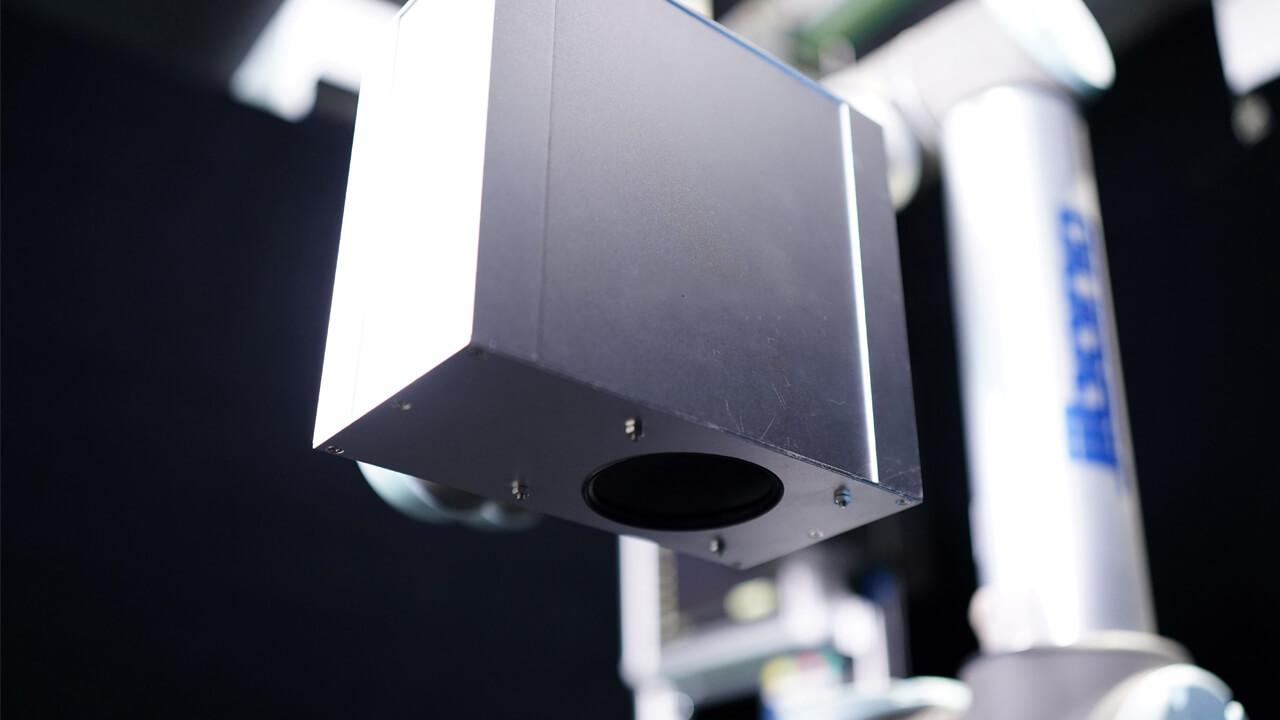
This invention develops the world’s first AI‑powered Intelligent Reproductive Technology (IRT) platform, which integrates ultra‑fast FACED imaging, deep‑learning AI, and microfluidic sorting to transform fertility treatment from subjective manual procedures into precision medicine, achieving 96.4% accuracy in predicting sperm fertilization potential.
Commercialisation opportunities
Technology licensing, equipment sales, SaaS subscription services, co-development partnerships with global ART equipment distributors
Problem addressed
Current Assisted Reproductive Technology (ART) success rates remain stagnant at 30–40%, largely because sperm and embryo selection still relies on subjective manual assessment based solely on visual morphology, overlooking 15–25% of quality issues that are undetectable under conventional microscopy. This leads to treatment failures, high financial costs (over HKD $150K per cycle), and significant emotional distress for the 186 million infertile couples worldwide.
Innovation
- Breakthrough AI-driven objectivity: Our project can replace subjective human visual judgment which typically shows only 60–70% inter‑observer agreement with quantitative biophysical analysis achieving 96.4% prediction accuracy. It eliminates embryologist variability and cognitive fatigue while analyzing up to 1,000× more sperm per sample than manual examination.
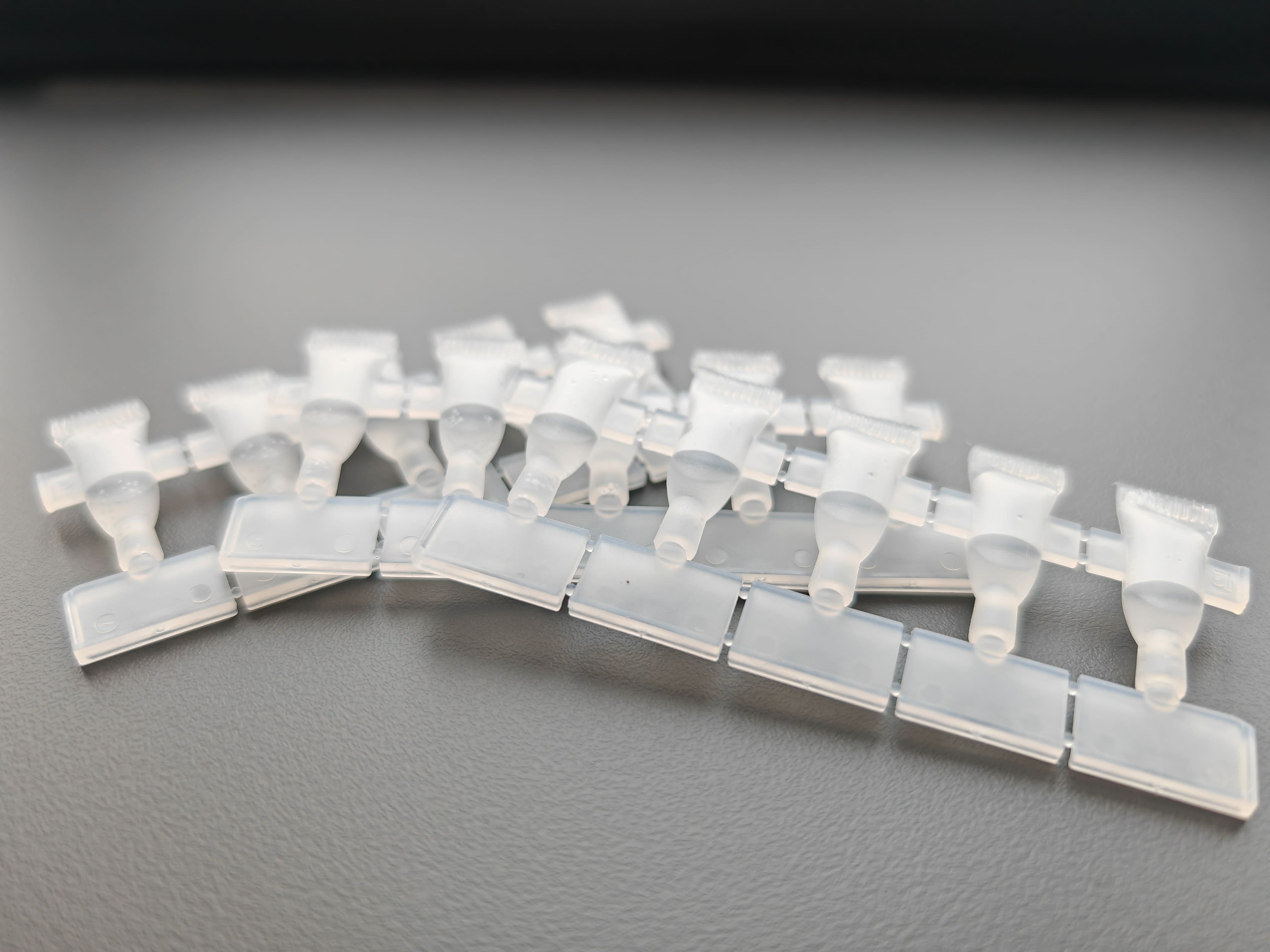
- Revolutionary automation and time savings: Microfluidic active sorting reduces ICSI sperm selection time from 30–60 minutes of manual searching to under 15 minutes through an automated workflow. This minimizes oocyte exposure outside the incubator, improves oocyte survival, and allows embryologists to focus on critical clinical decision‑making.
- Label-free viability preservation: Unlike fluorescence-based competitors requiring potentially toxic dyes, our technology captures comprehensive cellular information through multi-contrast imaging without chemical staining, preserving 100% sperm viability for immediate clinical use post-analysis.
Key impact
- Predicted clinical breakthrough: Drawing on published literature linking biophysical sperm parameters to improved fertilization outcomes, our technology is projected to deliver an 11–35% increase in pregnancy rates and a 49% reduction in miscarriage rates compared with conventional methods. Clinical validation will be further conducted at Queen Mary Hospital, Kwong Wah Hospital, and HKU Shenzhen Hospitals.
- Revolutionizing ART workflow standardization: Our technology transforms fertility treatment from art to science by providing objective, traceable quality metrics for every gamete and embryo assessed. This enables evidence‑based protocol optimization, inter‑cycle performance tracking, and reduces dependence on scarce senior embryologists, who require 5–10 years of specialized training.
- Alleviating patient burden: Addresses the immense physical, emotional, and financial toll of repeated ART failures—each cycle costs HKD $100,000-150,000 with only 30-40% success rates. Higher first-cycle success reduces invasive procedures, hormonal stimulation cycles, and psychological trauma for couples facing infertility.
- Opening Hong Kong's ART innovation hub: First commercialization of HKU's 20-year research heritage in reproductive technology, establishing Hong Kong as Asia's fertility innovation center. Partnerships with Queen Mary Hospital, Kwong Wah Hospital, and HKU-Shenzhen Hospital create gateway to Greater Bay Area's RMB ¥25+ billion fertility market.
Award
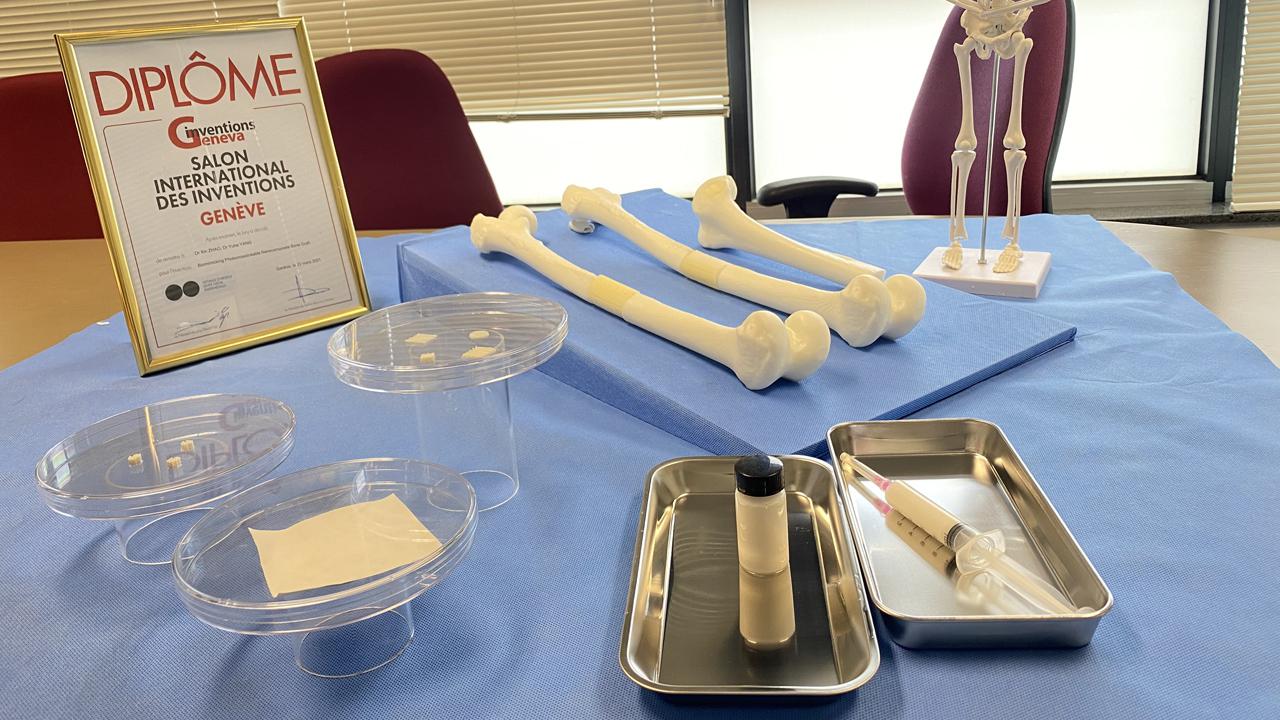
- 50th International Exhibition of Investions Geneva Silver Medal
Application
- Male fertility assessment and ART treatment planning in IVF/ICSI clinics
- Automated sperm selection for ICSI procedures to replace subjective manual selection.
- Non-invasive embryo quality assessment
Patent
- US Patent Application 63/844,917
Advanced Biomedical Instrumentation Centre
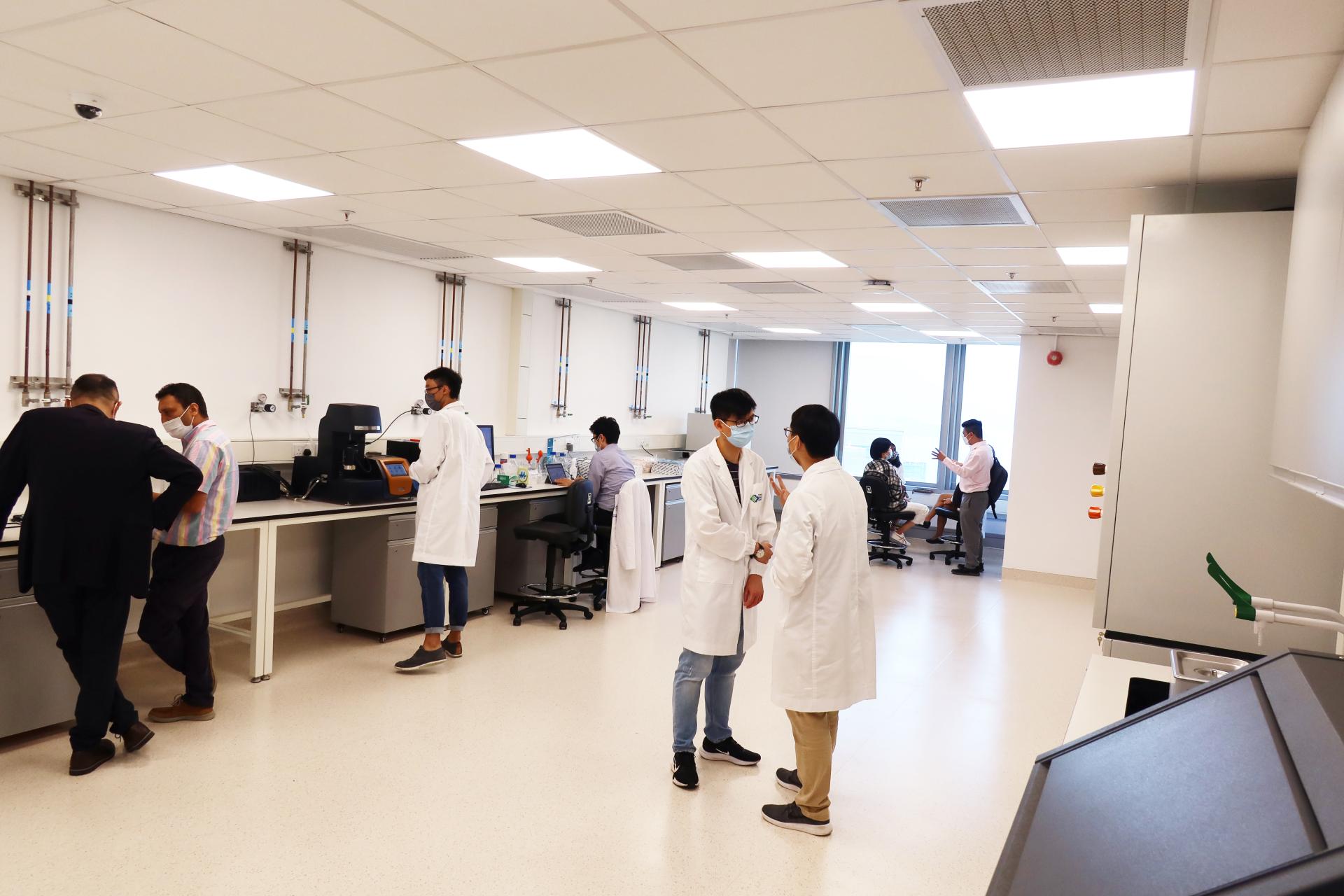
Biomedical instrumentation plays a critical and increasing role, albeit invisible to most people, in the healthcare industry by enabling more accurate diagnoses, effective treatments, and earlier intervention and prevention capabilities. Advancing the development of cutting-edge medical devices, actuators and sensors requires collaboration among talented scientists, engineers and clinicians, as well as an environment that facilitates the commercialisation of research results into real-world applications that are accessible to a broader population.
The mission of the Advanced Biomedical Instrumentation Centre is to accelerate progress in translating advanced biomedical instrumentation from research and development into real-world healthcare solutions that benefit people in Hong Kong and around the world. The Centre aims to foster collaboration among top-notch engineers, scientists and clinicians in the US and Hong Kong to develop next-generation microfluidics and low-cost instrumentation technologies. It also takes advantage of Hong Kong’ s vibrant start-up community to commercialise the research work tailored for Asian patients.
Enquiry









![Long COVID Test: [Non-Invasive Stool Test to detect distinct gut microbiome profile associated with “Long COVID”]](/uploads/image/202304/6802a81a4ec6afc2ac97f3912ec9a7f4.jpg)